N1C flat moves: best routes and lift alternatives
Posted on 07/05/2026
Moving a flat in N1C can feel straightforward on paper and surprisingly awkward on the day. The area's mix of apartment blocks, shared entrances, narrow internal corridors, concierge desks, loading restrictions, and occasional lift delays can turn a simple move into a timing puzzle. That is exactly why planning the best routes and realistic lift alternatives matters. If you get the route wrong, the move takes longer, costs more, and becomes harder on both your belongings and your back.
This guide explains how to plan N1C flat moves: best routes and lift alternatives with far less stress. You will learn how moving crews choose access points, when stairs are the smarter option, how to reduce delays, and what to do when lifts are unavailable or too small for furniture. For broader moving prep, it also helps to review this practical house-moving guide, especially if your flat move is part of a larger relocation.
Truth be told, the difference between a smooth flat move and a frustrating one is often a few good decisions made before anyone lifts a box.
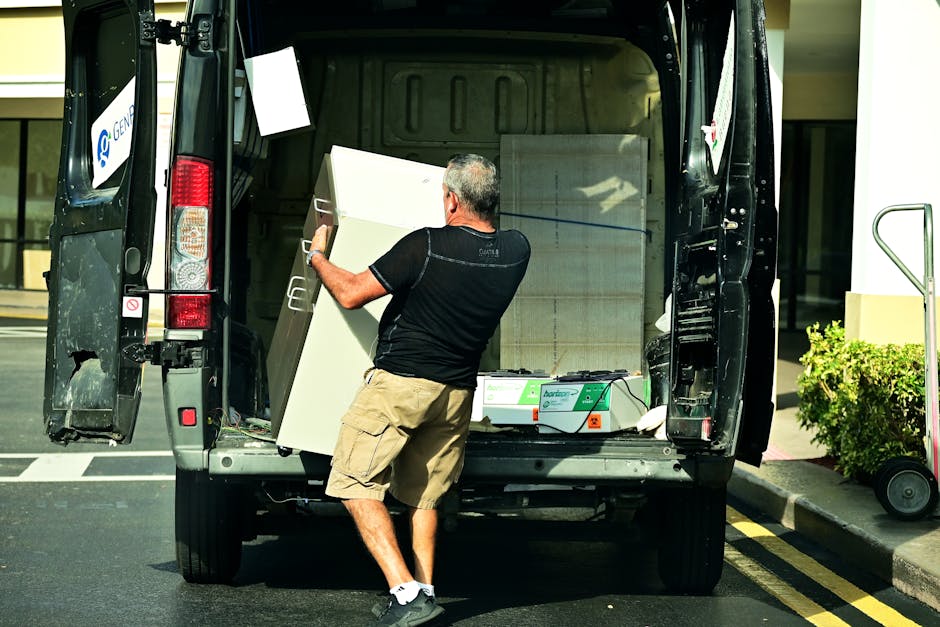
Why N1C flat moves: best routes and lift alternatives Matters
N1C is not the kind of place where you can assume the shortest walking route is the best moving route. A lift may be shared with residents, locked by concierge policy, or too small for awkward items like wardrobes, mattresses, or white goods. Some entrances are easier for handcarts, while others create bottlenecks because of steps, security doors, or tight turning spaces. In a flat move, those details matter more than most people expect.
Choosing the right access route is about more than convenience. It affects the safety of your items, the speed of loading, and how much manual handling is required. It also influences whether a move needs extra manpower, a second run, or temporary storage. If you are still organising your packing, a guide like how to pack belongings for moving can help you reduce bulky last-minute chaos before moving day.
Lift alternatives matter because lifts do fail, get reserved, or simply cannot take everything. A good plan gives you a backup route that is safe, realistic, and quick to explain to everyone on site. That is especially important in dense apartment areas where time windows are tight and neighbours are nearby.
Expert summary: In flat moves, access planning is not a side task. It is one of the main factors that decides whether the move feels controlled or chaotic.
How N1C flat moves: best routes and lift alternatives Works
The process starts before the van arrives. A competent mover will assess the building layout, check where the vehicle can stop, look for the nearest safe entrance, and decide whether the lift, stairs, or a mixed route will be most efficient. If the lift is usable, the crew still needs to check capacity, door width, and whether large furniture can be manoeuvred without damaging the walls or lift interior.
In practice, the best route is usually the one that balances four things: distance, safety, speed, and control. The nearest door is not always the best door. For example, a slightly longer walk through a wider service entrance may be much safer than squeezing through a crowded main lobby. If the lift is out of service, stairwells become the default, but only after checking whether they are suitable for larger items.
Heavy item handling also changes the plan. A sofa, bed base, fridge, or piano may require lifting straps, stair protection, or careful disassembly. For particularly awkward loads, this detailed article on kinetic lifting techniques is useful background reading. And if you expect to carry substantial pieces manually, these heavy-item lifting tips explain the basics of safer handling.
Where possible, movers also reduce risk by splitting the job into zones: flat to corridor, corridor to lift or stairs, and building exit to van. That simple segmentation makes the move feel less like one enormous task and more like a series of manageable steps.
Key Benefits and Practical Advantages
Route planning and lift alternatives deliver practical gains that show up immediately on moving day. The first is speed. If the crew already knows the best access route, they spend less time wandering through the building or waiting for decisions at the doorway. The second is reduced handling risk. Fewer unnecessary turns and fewer awkward lifts mean less chance of scuffs, knocks, or dropped items.
There is also a cost benefit. A move that is carefully planned is less likely to require extra labour, extra time on site, or a return trip because a large item did not fit through the lift. For flat moves, those hidden delays are often what make an apparently simple booking feel expensive.
Another advantage is peace of mind. When everyone knows whether the lift is the primary route or only a backup, there is less confusion during loading. That matters if you are coordinating with landlords, concierge staff, building managers, or neighbours. Calm logistics make for a calmer day. No one wants a wardrobe held hostage by a lift door that is just a little too narrow.
Finally, a clear access plan helps protect the building itself. Walls, banisters, floors, and lift panels are all vulnerable during a move. Using the best route is often the best way to avoid accidental damage claims.
Who This Is For and When It Makes Sense
This approach is especially useful for anyone moving into or out of a flat, apartment, studio, or managed block in N1C. It is a strong fit if your building has shared access, timed lift use, secure entry systems, limited parking, or restricted loading bays. It is also relevant if you are moving at a busy time of day and need the job done with minimal disturbance.
Students, renters, first-time movers, landlords arranging tenancy changeovers, and busy professionals all benefit from good route planning. If you are moving under time pressure, you may also want to explore same-day removals support as a comparison point for urgent scheduling needs. The principle is the same: speed only works when access is planned properly.
It also makes sense when you have items that are more troublesome than they look. Mattresses are a classic example because they are lightweight in theory but awkward in corridors. For more on that, see this mattress and bed transport guide. Sofas can be similar, which is why many movers also review sofa protection advice before handling them through narrow spaces.
Step-by-Step Guidance
Here is a practical way to plan a flat move in N1C without guesswork.
- Map the building access. Identify the main entrance, service entrance, lift location, stairs, and any pinch points such as corners, door closers, or low ceilings.
- Check vehicle access. Confirm where the van can legally stop, whether the route is one-way, and whether there is space for loading without blocking traffic or residents.
- Ask about lift rules. Some buildings require booking the lift in advance, padding the interior, or using it only within certain hours.
- Measure large items. Compare the dimensions of beds, sofas, wardrobes, fridges, and desks against lift doors, corridors, and stair landings.
- Choose the primary route. Use the shortest route only if it is genuinely practical. Otherwise select the route that keeps the move safest and most efficient.
- Plan a backup route. If the lift fails, decide in advance whether the stairs are viable or whether partial disassembly is needed.
- Prepare items for movement. Wrap corners, secure doors, remove loose shelves, empty drawers, and label boxes clearly.
- Load in sequence. Move the largest or most awkward items first if access is best at the start of the day.
- Protect shared areas. Use floor runners, blankets, and corner protection where necessary.
- Review the unload route too. The destination flat matters just as much as the starting point.
A useful detail many people miss: the route inside the building is often harder than the route outside it. A clean parking bay still does not help if the lift lobby is congested or the corridor turns sharply at the end.
If your move is part of a bigger decluttering effort, this decluttering guide will help you reduce the number of trips before moving day even begins.
Expert Tips for Better Results
Small decisions can make a huge difference. One of the simplest tips is to pre-sort items by moving difficulty, not just by room. For example, keep everything that is heavy, fragile, or awkward in a separate group so the mover can prioritise it and choose the right route from the start.
Another good habit is to make the building easier to work in. Clear hallways, unlock access points ahead of time, and let neighbours or concierge staff know when the move is happening. That may sound obvious, but it reduces the kind of awkward pauses that eat up time.
Where storage is part of the plan, think about the items you do not want to take through the flat route more than once. A service like storage solutions can be useful if your move-in date and move-out date do not match neatly. It is much better to store an item briefly than to force it through a risky staircase twice.
For items like freezers or chilled appliances, preparation matters before the move and before storage. If you are dealing with a temporary pause, this freezer storage guide gives practical handling advice.
And if you want a cleaner, less chaotic moving day, it helps to read a bit around the subject of pre-move preparation. Many moves run better when clients use pre-move cleaning advice so the final handover is tidier and faster.
Common Mistakes to Avoid
The most common mistake is assuming the lift will be available and large enough for everything. In real buildings, lifts can be slow, booked, busy, or simply too small for bulky furniture. If you rely on one route only, a minor issue can become a major delay.
Another mistake is underestimating the stairwell. People often say, "It's only two floors," but two floors with a mattress, a chest of drawers, and a tight landing can be more demanding than expected. The building may also have awkward turns that make items impossible to carry upright.
It is also easy to overlook insurance and responsibility. If a mover is damaging walls or the lift interior because the access plan was not realistic, disputes become more likely. That is one reason it is sensible to choose a company with clear insurance and safety information and transparent working practices.
Other common errors include:
- not measuring furniture before moving day
- leaving boxes unlabelled, which slows loading and unloading
- booking the van without confirming parking or access restrictions
- forgetting to reserve the lift if the building requires it
- ignoring lift weight limits or door clearances
- starting late, which leaves no buffer if something goes wrong
If the move involves bulky furniture, remember that special handling is often better than brute force. That is why many readers also look at furniture removal services when planning access-heavy moves.
Tools, Resources and Recommendations
You do not need a warehouse of specialist equipment to move a flat well, but the right tools help. Furniture blankets, removal straps, a trolley or sack truck, floor protection, packing tape, and clear labels all reduce friction. Stair sliders and mattress covers can also be useful when corridors are narrow or surfaces are delicate.
For packing support, it is worth using a clear box system. Heavier items should go into smaller boxes so they can be carried safely. Fragile items should be wrapped with enough padding to survive a lift ride, a corridor turn, or the occasional sharp stop. If you want more structure around this stage, visit the packing guide and the dedicated packing and boxes service page.
It also helps to keep a simple "first off the van" box with keys, charging cables, basic tools, snacks, and cleaning cloths. Nothing fancy. Just the things that save you from opening six boxes to find one screwdriver.
When a move needs a bit more flexibility, a reliable man and van service can be a practical fit, especially for smaller flats, partial moves, or moves where access is tight and timing matters. For larger or more complex homes, compare that with house removals support and choose the scale that matches the job.
Law, Compliance, Standards, or Best Practice
Flat moves in the UK are usually governed less by a single moving law and more by common-sense compliance, building rules, parking controls, health and safety duties, and access arrangements. In managed apartment blocks, the building may require advance booking for lifts, padded protection, specific move windows, or security sign-in. Always check those rules early rather than assuming they can be handled on the spot.
From a safety perspective, movers should follow sensible manual handling practices and avoid forcing loads through routes that are clearly unsafe or impractical. That includes respecting lift load limits, using appropriate equipment, and not asking one person to manage an item that really needs two. For general policy detail, you can review the company's health and safety policy and accessibility statement to understand how access and safety are handled.
If parking, loading, or building access creates conflict, it is wise to keep communication polite and documented. Concierge teams and building managers are often much more cooperative when the mover arrives prepared, on time, and with a clear plan. Best practice is simple: minimise disruption, protect shared spaces, and do not improvise in a way that creates risk.
It is also sensible to understand service terms, quote structure, and payment expectations before the move. Transparent providers make this easy through pricing guidance, payment and security details, and clear terms and conditions.
Options, Methods, or Comparison Table
The best route depends on the building, the items, and how much risk you are prepared to carry. Here is a simple comparison to make the choice easier.
| Method | Best for | Advantages | Trade-offs |
|---|---|---|---|
| Lift-first move | Buildings with reliable, spacious lifts | Fast, less physical strain, easier for boxes | Can fail if lift is booked, slow, or too small |
| Stair-only move | Short flats, low floors, smaller items | No waiting for lift, predictable access | More effort, greater risk with bulky furniture |
| Mixed route | Most complex flat moves | Flexible, adapts to item size and building flow | Needs clear coordination and good packing discipline |
| Lift alternative with partial disassembly | Large furniture in tight buildings | Improves fit and reduces damage risk | Requires tools, time, and careful reassembly |
For many N1C flats, the mixed route is the real winner. It allows movers to use the lift for boxes and smaller items while carrying or dismantling the awkward pieces separately. That hybrid approach is often the sweet spot between speed and safety.
Case Study or Real-World Example
Consider a typical one-bedroom flat move in N1C with a double mattress, a bed frame, a two-seat sofa, a desk, several boxes, and a fridge-freezer. On paper, it sounds like a half-day job. In reality, the move becomes much easier if the route is planned carefully.
The movers first check whether the lift can take the mattress and boxes. It can, so those items go by lift. The sofa is another matter. The corridor turn near the flat door is tight, and the lift door is just a little too awkward for the sofa's width. Rather than forcing it, the crew removes the feet, rotates the sofa at the landing, and takes it down the stairwell with two people and proper protection.
The fridge-freezer is emptied, secured, and moved near the end of the loading sequence so it is not trapped behind other items. This mirrors the kind of preparation recommended in freezer storage and preparation advice. The result is a smoother move, fewer handling errors, and no damage to the communal hallway.
The key lesson? The "best route" was not one route at all. It was a planned combination of lift use, stair movement, and selective dismantling. That is often what works best in real flats, not just in theory.
Practical Checklist
Use this checklist before moving day:
- Confirm the moving date and time with your building management or concierge
- Check whether the lift must be booked in advance
- Measure large furniture against doorways, corridors, and lift dimensions
- Confirm where the van can park or stop legally
- Identify the primary route and a backup route
- Disassemble items that may not fit safely as one piece
- Protect floors, corners, and shared areas
- Label boxes by room and priority
- Pack a small essentials box for the first night
- Make sure insurance and safety details are clear
- Keep keys, access cards, and contact numbers handy
- Review any building rules for move windows or loading access
If you have a little more time, a final tidy-up is worthwhile. A clean, decluttered flat is easier to move through and easier to hand over. For that stage, see pre-move cleaning guidance and decluttering tips.
Conclusion
N1C flat moves are much easier when route planning and lift alternatives are treated as part of the move itself, not as a last-minute decision. The best approach is usually the one that keeps items safe, respects the building, and avoids unnecessary strain. That often means using a lift where it genuinely helps, switching to stairs when they are safer, and being ready to combine both when the building layout demands it.
Plan the route, confirm the access, protect the property, and keep your loading sequence flexible. Do those things well and the rest of the move tends to fall into place. It is rarely glamorous, but it is effective.
Get a free quote today and see how much you can save.