Islington Council skip rules for large removals
Posted on 26/06/2026
Islington Council skip rules for large removals: a practical guide for smoother house clearances
If you are planning a big declutter, a full house move, or a bulky clear-out, the Islington Council skip rules for large removals can shape almost every part of the job. A skip seems simple enough at first glance. You hire it, fill it, and move on. In reality, the council rules, permit conditions, pavement access, loading space, and your own removal timetable can all affect what you can legally and safely do. Get that wrong and you may end up with delays, extra costs, or a very awkward conversation outside your front door.
This guide breaks the topic down in plain English. You will learn how skips fit into large removals, when a permit is usually needed, what to watch out for in tight Islington streets, and when alternatives like man and van removal or staged clearance make more sense. I will also share practical tips that come up again and again in real moving jobs. Not glamorous, admittedly, but very useful.
For extra planning help, it can also be worth reading decluttering before you move and packing for a house move so the skip, the removal team, and your packing schedule all work together instead of fighting each other.
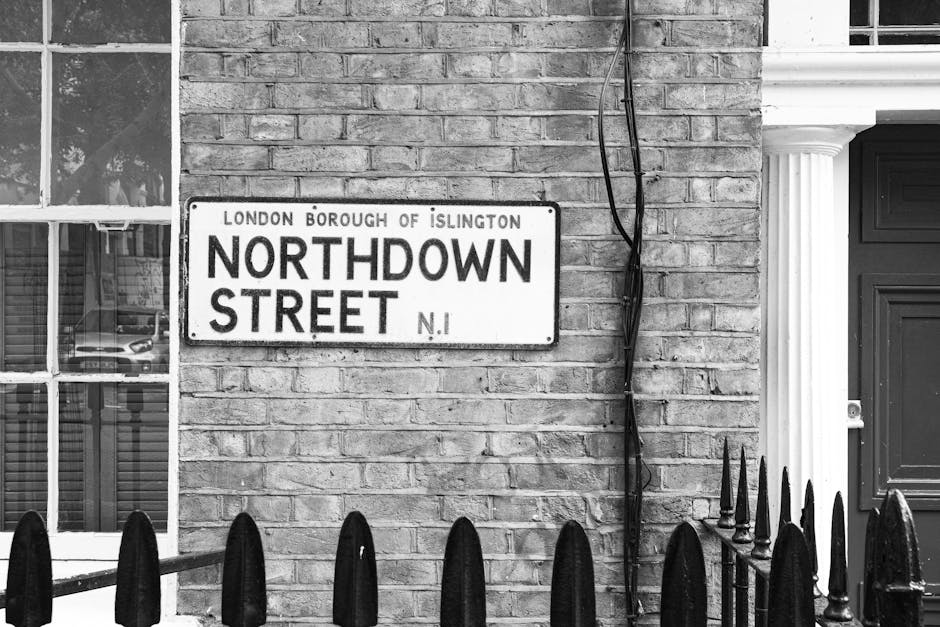
Why Islington Council skip rules for large removals Matters
Large removals create more waste, more bulky items, and more pressure on timing. That is exactly where skip rules start to matter. In Islington, space is often limited, roads can be busy, and on-street storage is not something you can take for granted. A skip placed on a public road may need permission, and the council may expect certain safety standards to be met. If those steps are missed, the job can be interrupted fast.
There is also a practical side to this that people underestimate. A removal day already has enough moving parts: packing, lifting, stairwells, parking, keys, and building access. Add a skip that is too small, or placed in the wrong spot, and you have another problem before the sofa is even out the door. Truth be told, many large removals are not really about the skip itself. They are about coordination.
When you are moving from a flat with narrow hallways or a property with no lift, waste and unwanted furniture can build up quickly. In those situations, it helps to think ahead about how items will leave the property, not just where they will end up. That is one reason a smart plan often combines skip hire, decluttering, and a structured removals service. If your move is already tight on time, a guide like how to simplify your move for a stress-free experience can help you avoid last-minute chaos.
Expert summary: For large removals, the best outcome is usually not "hire the biggest skip". It is "match the waste plan to the street, the building, the timing, and the items". That small shift in thinking saves a lot of hassle.
How Islington Council skip rules for large removals Works
The basic principle is straightforward. If a skip sits entirely on private land, the process is usually simpler. If it needs to go on a public road, footway, or other council-controlled area, the council's rules become part of the plan. That often means a permit is required, and the placement, size, duration, lighting, and safety markings may all be relevant.
For large removals, the operational question is not just "Can I put a skip here?" It is also "Will a skip actually help me move this property efficiently?" In some cases the answer is yes. In others, the better route is to use removal transport for the load, and a small skip or separate waste solution for the leftovers. If you are dealing with furniture-heavy rooms, a dedicated service such as furniture removals in Finsbury may be a cleaner fit than trying to force everything into one metal box.
Large removals tend to fall into a few practical patterns:
- Pre-move declutter: you clear out items you will not take to the new home.
- Move-day waste: packing debris, broken items, and last-minute discard piles build up.
- Post-move clearance: old furniture, damaged goods, and unused belongings are removed after the main move.
Each pattern affects whether a skip is worth it. A skip is great when the waste is bulky, mixed, and easy to load. It is less great when access is difficult or you only have a small amount of material. In a narrow Islington street, a skip can become the thing everyone has to work around. That is not ideal when you are already juggling removal vehicles and neighbours' parking habits.
What typically triggers extra attention
Even without listing exact council thresholds, there are a few common triggers that usually require more care:
- placing a skip on the road rather than private land
- blocking access for pedestrians, vehicles, or emergency routes
- keeping the skip in place longer than planned
- putting in heavy or restricted waste types
- using a skip during a busy moving day without traffic planning
That last point is the one people miss most often. A skip is not just waste control; it is space control. On a hectic move, space is valuable. Very valuable.
Key Benefits and Practical Advantages
Used properly, a skip can make large removals much more manageable. It gives you one place for non-usable waste, keeps debris contained, and reduces the number of separate disposal trips. For bigger homes, that containment can be a real relief, especially when you are already packing boxes and trying to keep walkways clear.
Here are the main advantages in practical terms:
- Cleaner working space: fewer scattered items, less trip risk, and easier movement through rooms.
- Better timing: waste is removed in one go, instead of several awkward car loads or repeated clear-outs.
- Less emotional friction: when everything is piled in one obvious place, decisions are easier. Weirdly, that helps.
- More efficient removals: movers can focus on items being kept, not on piles of rubbish in the corridor.
A well-planned skip can also support recycling and sustainability goals. If you separate reusable items, recyclable materials, and true waste before the removal day, you make it easier to deal with each category properly. That matters if you care about waste reduction, and most people do once the packing dust settles. For a broader view of responsible disposal, see recycling and sustainability.
Another understated benefit is stress reduction. On moving day, the brain is already overloaded. If the unwanted chairs, broken shelving, old boxes, and odd bits of clutter have a designated exit route, the whole job feels calmer. Not easy. Just calmer.
Who This Is For and When It Makes Sense
Islington Council skip rules for large removals matter most to people dealing with bulky, mixed, or high-volume waste. That includes families moving out of larger homes, landlords clearing a property between tenancies, and anyone doing a big reset after years of accumulation.
It also makes sense for:
- homeowners downsizing from a long-term property
- tenants clearing old furniture before a lease ends
- flat sharers who need to remove shared items quickly
- office teams clearing desks, shelving, and packaging waste
- people with poor access, tight staircases, or no lift
If your property has awkward access, a skip may solve one problem and create another. For example, if the building is on a narrow terrace or a road with limited stopping space, it may be smarter to rely on a removal crew for the heavy items and use smaller waste handling for the rest. That is especially true when awkward pieces like wardrobes, piano benches, or odd-sized cabinets need careful handling. You can read more on that kind of practical challenge in handling awkward items in City Road terraces.
Sometimes the best answer is a hybrid one. Keep, remove, recycle, donate, and skip. Four categories. Much easier than trying to cram everything into one plan.
Step-by-Step Guidance
If you want to keep the process smooth, work through the move in order. Large removals are much less stressful when the waste plan is settled before the van arrives.
1. Walk the property and sort the load
Do a room-by-room sweep and separate the belongings into keep, sell, donate, recycle, and dispose. This is where you identify the true bulky waste. Old mattresses, broken furniture, worn-out textiles, damaged storage units, and surplus household items often dominate the final pile.
A good decluttering pass can cut the waste down more than you expect. If you want a structured approach, declutter first for a minimalist move is a sensible place to start.
2. Check whether the skip will sit on private or public land
This is the big branch in the decision tree. Private land usually gives you more control. Public land usually means more rules. If there is any uncertainty, assume the placement needs extra checking. That little assumption can save a last-minute scramble.
3. Estimate volume honestly
People tend to underestimate how much space bulky waste takes up. A smashed bookcase may look small in pieces, but the fragments, boards, screws, and odd materials can fill a skip faster than expected. Be honest with yourself here. If in doubt, add a cushion rather than betting on "it will probably fit".
4. Plan loading order
Heavy, flat, and rigid items usually go in first. Lighter items fill the gaps. If you are moving furniture and white goods, keep fragile or hazardous materials separate. For example, if you need advice on handling larger appliances after disconnection, this guide on preserving a freezer when it is unplugged is surprisingly useful.
5. Coordinate the skip with the removal schedule
Do not let the skip arrive too late or too early. Too late and the waste piles up in the hall. Too early and it can block space before the move has even begun. A tight timetable really matters with same-day jobs, and if your move is rushed, what to expect from urgent short-notice moves may help set expectations.
6. Keep access clear
Hallways, entrances, and shared paths should stay open. A removal team can move faster when they are not stepping around boxes, bin bags, and random bits of half-decided junk. It sounds obvious. Yet it gets missed all the time.
7. Check the finish line
Before the skip is collected, make sure nothing important has been thrown in by accident. It happens. Labels go missing, bags get mixed, and one person's "rubbish" is another person's spare charger or toolkit.
Expert Tips for Better Results
In our experience, the smoothest large removals are the ones that treat waste as part of the move plan, not as an afterthought. That one mindset change does a lot of heavy lifting.
- Label "keep" items early. The more obvious your keep pile is, the less likely it is to wander.
- Use staging zones. One corner for waste, one for donations, one for moving boxes. Simple, but effective.
- Protect floors and thresholds. Repeated dragging near the skip or front door can leave marks, especially in older buildings.
- Choose the loading route before collection day. The shortest route is not always the safest route.
- Match the skip to the waste type. Heavy waste, mixed waste, and reusable furniture all behave differently.
For lifting-heavy households, good technique matters too. A brief refresher on movement mechanics can help avoid a sore back and a miserable next morning. The article on kinetic lifting principles is a useful companion read if you are shifting awkward items by hand.
One more thing: if you already know the move will involve awkward sofas, mattresses, or large bedroom furniture, arrange those items separately rather than hoping the skip will solve everything. A little planning here avoids the classic "why is this taking so long?" moment at 4:15pm. We have all seen that face.

Common Mistakes to Avoid
Large removals are where small mistakes become expensive. The most common problem is simply assuming skip hire is a one-step job. It is rarely that neat.
1. Not checking placement rules first
This can lead to delays and last-minute changes. If the skip cannot legally sit where you planned, the whole waste strategy needs to be rewritten on the fly. Not fun.
2. Overfilling the skip
People like to "just fit one more item in". Sometimes that works. Sometimes it causes collection issues. Keep the top level safe and manageable.
3. Mixing the wrong materials
Not all waste can be handled the same way. Keep restricted or awkward materials separate and ask questions before loading. It is much easier than sorting a contaminated skip later.
4. Leaving it until move day
If the skip is part of the plan, book it as part of the plan. Waiting until the final hour creates pressure, and pressure makes everyone slightly inefficient. That is just human nature, really.
5. Forgetting access for neighbours and delivery vehicles
Islington streets can be busy and tight. If the skip narrows the road too much, you may create knock-on problems for everyone else. A considerate setup avoids complaints and stress.
6. Treating the skip as a dumping ground for keep-or-lose decisions
That mindset leads to regret. If you are uncertain about an item, pause and decide properly rather than tossing it in because you are tired.
A small note on trust and planning: if you are comparing moving options, it is worth spotting hidden extras before you commit. This guide on spotting hidden fees in removals quotes is relevant when you are balancing skip hire, labour, and transport costs.
Tools, Resources and Recommendations
You do not need a mountain of equipment to manage a large removal well, but a few practical tools make a big difference.
- Strong marker pens: for labelling keep, donate, recycle, and waste.
- Heavy-duty sacks and boxes: useful for sorting loose items before they hit the skip.
- Furniture blankets or wrap: helpful when items are being moved out in stages.
- Basic tape measure: especially useful if you need to compare skip size against access and street space.
- Gloves and sturdy footwear: boring, but worth it.
For the move itself, a professional removal team can save time and reduce the risk of damage. If you are dealing with a larger home move, house removals in Finsbury can be a better fit than trying to manage the waste and transport side independently. If you only need a smaller, flexible vehicle, a man with a van in Finsbury or man and van support may be enough.
If the move includes bulky furniture, separate storage, or awkward access, it is also worth looking at storage options in Finsbury so you are not trying to solve every problem on the same day. Honestly, that is where people get overwhelmed.
Law, Compliance, Standards, or Best Practice
With skips and large removals, it is wise to think in terms of compliance and best practice rather than relying on guesswork. Councils generally expect public spaces to remain safe and accessible. Removal work should avoid causing obstruction, unnecessary mess, or danger to pedestrians and road users. That is the sensible baseline, even before you get into local permit details.
If a skip is used, the operator should follow normal waste handling standards, use appropriate safety markings where required, and manage the waste responsibly. For your own part, the safest course is to separate different waste streams where possible, avoid putting prohibited items into mixed waste, and keep the load stable.
Health and safety also matters during lifting and loading. Repeated bending, twisting, and awkward carrying are the real risks in large removals. Good handling technique is not just a nice extra. It helps prevent strains and dropped items. If you want a practical overview of safe moving habits, insurance and safety and the related health and safety policy are worth reviewing.
There is also a straightforward best-practice point here: do not assume every item belongs in a skip. Some belongings can be reused, donated, or moved into storage. That approach is better for your budget, better for waste reduction, and usually less stressful. It is a neat little win-win, to be fair.
Options, Methods, or Comparison Table
Choosing the right approach for a large removal depends on the amount of waste, the access to your property, and how quickly you need the job done. The table below gives a useful overview.
| Option | Best for | Strengths | Limitations |
|---|---|---|---|
| Skip hire | Bulky waste, mixed clear-outs, staged declutters | One contained disposal point, good for large volumes | May need a permit, takes space, not ideal for tight streets |
| Man and van | Flexible removals, smaller volumes, quick turnaround | Fast, adaptable, useful for furniture and mixed loads | May need separate waste handling if you have a lot to throw away |
| Full house removals | Complete home moves, larger furniture loads, multi-room relocation | Better coordination, less lifting for you, more efficient on the day | Can cost more than a smaller, piecemeal approach |
| Storage plus removal | Moves with uncertain timing or limited space | Reduces pressure, keeps items safe while you decide | Not a disposal solution, only postpones decisions |
If the house move is within a short local route, for example between nearby parts of North London, it can be worth checking local route and timing advice like same-day move options from Finsbury Park to Old Street. Similarly, flats with no lift often need a different strategy altogether, so storage options when your Finsbury flat has no lift can be surprisingly relevant.
Case Study or Real-World Example
Here is a realistic example from the kind of situation that comes up often in Islington. A couple in a first-floor flat were moving into a larger home and wanted to clear out two wardrobes, an old mattress, a broken desk, several boxes of mixed household items, and a stack of packing debris. They initially thought one medium skip would do the job.
After walking through the property, they realised access was the real issue. The street had limited stopping space, the hallway was narrow, and there was nowhere sensible to leave a skip without affecting neighbours. Instead of forcing the issue, they split the plan:
- kept the removal vehicle focused on furniture and boxed belongings
- separated recycling and donation items before move day
- used a smaller waste plan for packing debris and non-usable items
- scheduled the job so the property was cleared in one efficient sweep
The result was not dramatic, but it worked. Fewer trips. Less stress. No awkward blocking of the street. And, importantly, no half-finished pile sitting outside the building while everyone tried to guess who it belonged to. That kind of mess has a way of becoming everyone's problem.
If you are facing a similar flat-based move, especially in a tight local area, it can help to read about flat move routes and lift alternatives so you can build the waste plan around the actual building conditions, not an idealised version of them.
Practical Checklist
Use this quick checklist before booking a skip or finalising a large removal plan:
- Confirm whether the skip will be on private land or public land
- Check street access and whether the vehicle can stop safely
- Measure likely waste volume honestly
- Separate keep, donate, recycle, and dispose piles
- Protect floors, entrances, and shared hallways
- Arrange the skip and removal timetable together
- Keep restricted items separate until you know how they will be handled
- Label boxes and bags clearly
- Confirm collection timing before the move is complete
- Review safety and insurance arrangements for the moving day
If you want to be especially organised, pair this checklist with a proper packing system from packing and boxes in Finsbury. The better your labels and packing structure, the less likely you are to accidentally throw away something you actually need. Which, let's face it, happens to the best of us.
Conclusion
Islington Council skip rules for large removals are not just a box-ticking issue. They shape how practical, safe, and cost-effective your move will be. If you plan ahead, think carefully about access, and choose the right mix of skip hire, removal support, and decluttering, you can make a very big job feel a lot more manageable.
The best moves are usually the ones where nothing is rushed. Waste is sorted early, access is clear, and the team knows what is leaving, what is staying, and what needs careful handling. That is the calm version. The sensible version. And honestly, it is the one most people wish they had chosen the first time around.
If your move is local and time-sensitive, it may also help to explore same-day removals in Finsbury or review services overview to see how a coordinated removals plan can reduce waste-related stress.
Get a free quote today and see how much you can save.