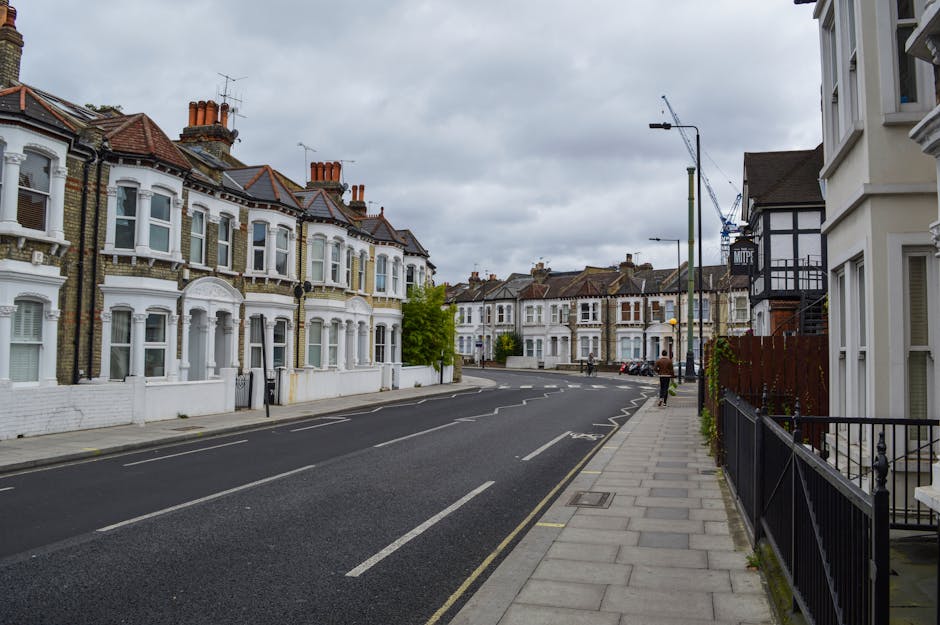
Handling awkward items in City Road terraces
Posted on 10/06/2026
Handling awkward items in City Road terraces: a practical guide for tight stairs, narrow halls, and tricky corners
Moving house is rarely as simple as carrying a box from A to B. In City Road terraces, the challenge often starts before you even reach the front door. Narrow staircases, awkward hallway bends, low ceilings, and parking that is never quite where you want it can turn an ordinary move into a small logistical puzzle. That is especially true when you are handling awkward items in City Road terraces, because one oversized sofa, an old fridge, or a piano can dominate the whole day if you do not plan properly.
This guide is for anyone who wants a calmer, safer, more organised move in terrace properties around City Road. We will look at what makes awkward items difficult, how to move them without creating damage or stress, and which methods work best in real homes, not just in theory. If you are trying to avoid scraped paintwork, strained backs, or a last-minute panic, you are in the right place.
To make the process easier, it helps to think beyond strength alone. A good move is usually about planning, angles, timing, and using the right equipment. Truth be told, a well-prepared two-person team with the right approach can outperform a much larger group that simply guesses its way through a staircase.
Why Handling awkward items in City Road terraces Matters
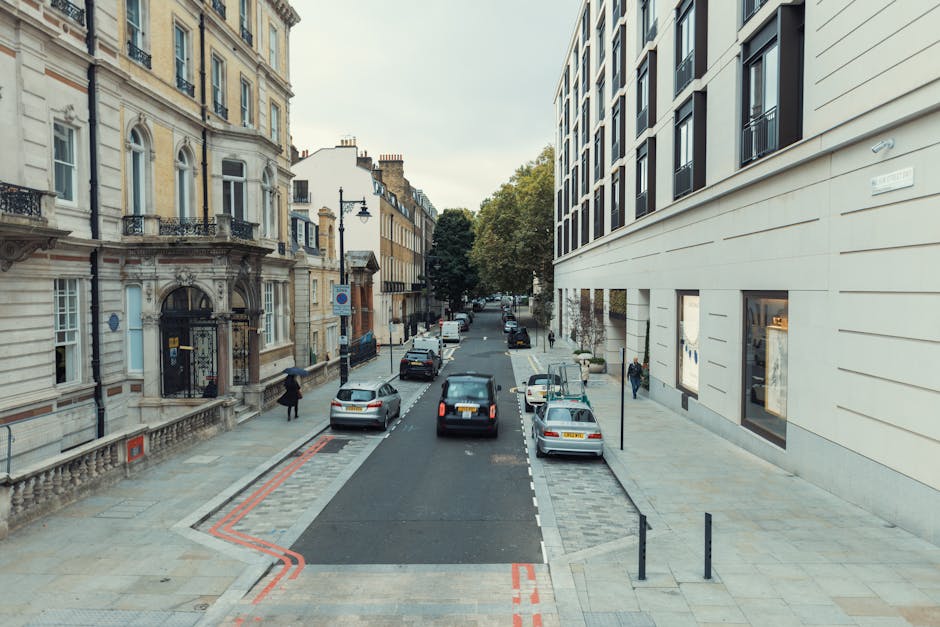
Terraced homes around City Road tend to reward precision. Space is limited, corners can be unforgiving, and entryways often feel smaller than they looked during the viewing. That means awkward furniture and bulky household items are not just inconvenient; they can become a real source of damage and delay if you treat them like standard boxes.
What counts as an awkward item? Usually anything that is too heavy, too long, too fragile, or too strangely shaped to move in a straight line. Common examples include sofas, wardrobes, dining tables, pianos, mattresses, freezers, treadmills, mirrors, and oversized plant pots. Even seemingly simple items can be difficult if they have odd weight distribution or awkward handles.
The stakes are pretty practical. Poor handling can lead to chipped plaster, broken banisters, crushed fingers, torn upholstery, or an item getting stuck halfway down the stairs. In older terraces, a tight turn on the landing can be the point where the whole plan falls apart. That sounds dramatic, but anyone who has tried to pivot a large wardrobe on a narrow stairwell knows the feeling.
There is also the time factor. A move that should take a few hours can stretch out because one item needs to be disassembled, rewrapped, re-angled, or paused while everyone regroups. When parking windows are short or access is shared with neighbours, delays are more than annoying. They can affect the whole chain of the day.
Expert summary: In terrace moves, awkward items are less about brute force and more about route planning, size reduction, protection, and controlled movement. If you get those four things right, most problems become manageable.
How Handling awkward items in City Road terraces Works
The process starts with assessment. Before anyone lifts anything, you need to understand the item, the property, and the route. That sounds obvious, but it is the step people skip most often. Measure the item. Measure the doors. Measure stair width, ceiling height, tight corners, and any low lighting or protruding fixtures. Then check whether the item can be moved upright, sideways, on its back, or only after partial dismantling.
Next comes route planning. In a terrace, the most direct route is not always the safest one. Sometimes the best way out is through the rear access, sometimes through the front, and sometimes through neither because a window or temporary lift arrangement is the smarter choice. If the item cannot clear the stairs safely, you need a plan B before you start, not after it jams against the wall.
The third stage is preparation. This may include removing legs, shelves, handles, or doors; draining appliances; wrapping corners; blanketing surfaces; and clearing the hallway. It also means assigning roles. One person leads and calls turns. One person steadies the load. If a third person is available, they can guard walls, manage doors, or guide the route. Simple job division saves a lot of awkward shouting later.
Finally, the item is moved in controlled stages. Not rushed. Not yanked. Tilt, pause, rotate, breathe. Repeat. You will notice that most problems happen when someone decides to force the item through the gap rather than step back and change the angle. That tiny moment of patience often makes all the difference.
If you want a broader view of how moving days are structured, this is also where articles like how to simplify a move for a stress-free experience and packing guidance for a house move can help you connect the awkward-item plan to the rest of the relocation.
Key Benefits and Practical Advantages
When awkward items are handled properly, the benefits go well beyond avoiding scratches. A good method makes the whole move feel more controlled, and that has a ripple effect across the day.
- Less damage to the property: Walls, banisters, door frames, and flooring stay protected.
- Lower risk of injury: Controlled lifting and clearer routes reduce strain on backs, shoulders, and knees.
- Faster movement overall: Items that are prepared in advance usually take less time to shift.
- Better use of helpers: Everyone knows their role, so there is less confusion.
- More confidence with valuable items: Large or sentimental belongings are less likely to be mishandled.
- Less stress for neighbours and residents: A tidy, efficient move is simply less disruptive.
There is also a quieter benefit: mental breathing room. Moving day feels easier when you know the big sofa will fit because someone has already checked the route and removed the legs. That one bit of certainty can settle the whole morning.
If the awkward item is something like a mattress, sofa, or freezer, a little specialist prep can be worth it. Related guides such as bed and mattress moving tips, sofa storage and protection advice, and how to preserve your freezer when it is unplugged are useful companions to this article.
Who This Is For and When It Makes Sense
This topic matters for a surprisingly wide group of people. If you live in a City Road terrace and own even one oversized or oddly shaped item, you are already in the target audience. But the need is strongest for a few specific situations.
- Families moving full homes: Bigger households often have bulky furniture, children's furniture, and appliances that do not move easily.
- Students or sharers: A smaller budget does not mean smaller problems, especially if you are trying to move with only a few helpers.
- Anyone in a terrace with narrow access: Tight staircases and compact entrances make standard moves harder.
- People moving heavy valuables: Pianos, antiques, and glass furniture need special care.
- Last-minute movers: If you are under time pressure, awkward items can create the biggest bottleneck.
It also makes sense if you are deciding whether to do it yourself or bring in help. Not every item needs a specialist crew, to be fair. A flat-pack bed might only need careful dismantling and reassembly. But a grand piano, a large American-style fridge, or a solid oak wardrobe? That is where experience starts to matter a great deal.
If you are choosing between help levels, a short read on safe one-person heavy lifting techniques can give you a useful sense of what is realistic versus what is risky.
Step-by-Step Guidance
Here is the practical sequence we would suggest for awkward items in terrace properties. Keep it simple and do not skip steps just because the van is waiting outside.
- Identify every awkward item early. Walk through the home and note anything heavy, fragile, large, or awkwardly shaped. Be honest. That laundry basket full of books is more trouble than it looks.
- Measure the item and the route. Check doors, hallway width, stair turns, ceiling slopes, radiators, and low pendant lights. In terraces, the problem is often not the front door; it is the turn on the stairs.
- Decide whether to dismantle. Remove legs, shelves, doors, cushions, handles, or glass panels where safe to do so. Keep screws and fittings in labelled bags.
- Clear the path completely. Take away shoes, mats, coat stands, framed pictures, and anything else that narrows the route. It sounds minor, but little trip hazards cause more drama than people expect.
- Protect surfaces. Use blankets, edge protectors, tape, and floor coverings where needed. A few minutes here can save a frustrating repair later.
- Assign roles before lifting. Decide who leads, who supports, and who opens or closes doors. Clear communication matters more than muscle.
- Lift with a controlled technique. Keep the item close to the body, bend at the knees where possible, and move in small, planned steps. Avoid twisting while carrying.
- Rotate only when safe. If the item needs turning on the stairs or landing, stop, reset, and turn together. Never force a pivot while off balance.
- Load the van properly. Place heavy items first, secure them with straps, and keep fragile faces protected. The van is part of the moving system, not just a box on wheels.
- Recheck before leaving. Look for scuffed walls, loose screws, missing parts, and any item that needs a second wrap or a different position in transit.
One small tip that saves a lot of grief: take a photo before dismantling anything. You think you will remember how the wardrobe door hinge sat. You probably will not. We have all been there, staring at six screws and pretending one of them "obviously" belongs to the base.
For more on practical packing order and pre-move preparation, the articles on decluttering before a move and cleaning your home before moving are worth reading alongside this one.
Expert Tips for Better Results
Experience tends to teach the same lesson in different ways: awkward items usually become manageable when you make them smaller, lighter, and easier to grip. The following tips come up again and again in real terrace moves.
1. Use the property, not just your strength
Sometimes the right angle is the whole answer. Turning a sofa on its end, removing a bed frame headboard, or sliding a wardrobe in short controlled lifts can make a route workable without any extra drama.
2. Protect the item before you protect the van
It is tempting to focus on loading quickly. But if the item is wrapped badly, it can arrive damaged even when the route goes smoothly. Corners, glass, polished wood, and upholstered fabric all deserve a bit of care.
3. Leave a buffer in the schedule
Terrace moves rarely run exactly to the minute. Parking, neighbour access, and awkward turns take time. A little buffer helps everyone stay calmer. No one enjoys the "we should have been done by now" face.
4. Think about the exit before the move starts
A lot of people prepare inside the house and forget the final step outside. Narrow streets, bins, railings, and parked cars can all affect the handover to the van. This matters even more in City Road where loading positions may be limited.
5. Use specialist help for specialist items
Pianos are in a category of their own. So are heavy or high-value antiques. If the item is genuinely delicate or difficult, it is often smarter to use experienced movers than to improvise. The same logic applies to the move itself: if you need a more complete service, a page like piano removals support or furniture removals help can be relevant for planning.
One more thing. Do not underestimate the value of a quiet second person who watches the wall, the banister, and the ceiling lamp while the main lifters focus on the item. That extra set of eyes is boring in the best possible way.
Common Mistakes to Avoid
A lot of moving damage comes from the same handful of errors. The good news is that these mistakes are predictable, which means they are avoidable.
- Skipping measurements: Guessing the fit is a classic mistake, and it is usually wrong.
- Forcing items around corners: If the angle is wrong, forcing it will only make the problem louder.
- Not dismantling enough: A removable door or leg may be the difference between easy and impossible.
- Poor communication: Half the accidents happen when one person moves before the others are ready.
- Lifting from the wrong position: Twisting while carrying is an easy way to strain yourself.
- Ignoring the floor and wall protection: Scrapes happen faster than most people think.
- Leaving loose parts unlabelled: Reassembly becomes a headache later.
The biggest mistake, though, is emotional rather than physical: assuming that a difficult item must be moved immediately and exactly as it is. Often it does not. If you pause, remove parts, or change route, you may save the whole move. That tiny rethink can be the difference between a smooth afternoon and a very long one.
If you are already feeling squeezed for time, a broader planning guide like this stress-free move guide can help you keep the bigger picture in mind.
Tools, Resources and Recommendations
You do not need a van full of expensive gadgets to move awkward items well, but the right basic equipment makes a noticeable difference. In most terrace moves, a modest kit goes a long way.
| Tool / Resource | Best use | Why it helps |
|---|---|---|
| Moving blankets | Wrapping furniture edges and protecting finishes | Reduces scuffs, chips, and fabric snagging |
| Furniture straps | Controlling heavy items and securing loads | Improves grip and stability |
| Trolley or sack truck | Moving heavier boxes and appliances | Reduces manual strain on short, flat sections |
| Edge protectors | Shielding doors, banisters, and corners | Useful in tight stairwells and hallways |
| Tool kit | Dismantling beds, tables, and wardrobes | Lets you remove legs, handles, and panels safely |
| Labels and bags | Storing screws, bolts, and fittings | Makes reassembly less chaotic later |
For items that need special handling, it can help to read a more targeted guide before the move date. For example, a guide to kinetic lifting is useful if you want the basics of safer lifting, while sofa care and storage advice can help if the item is going into temporary storage before final placement.
If you are unsure whether to handle the move yourself or book support, you may also want to look at man and van services or same-day removals when timing is tight. Sometimes that is the practical answer, even if it feels a bit less DIY than you planned at first.
Law, Compliance, Standards, or Best Practice
For most residential moves, there is no special legal framework just for awkward items. Even so, safe practice matters. In the UK, the general expectation is that moving work should be carried out in a way that avoids unnecessary risk to people and property. That means sensible lifting, suitable equipment, and careful handling of anything that could cause injury if dropped or trapped.
Good practice also means respecting access and shared spaces. In terraces, that includes communal responsibility for doorways, pavements, stairwells, and neighbour access where relevant. If parking or loading needs to be arranged, it is wise to do that in advance and follow local requirements rather than assuming there will be space on the day. City streets can be unforgiving when a van turns up without a plan.
For appliances, pianos, glass, or high-value furniture, the safest standard is usually the simplest one: if it feels too difficult to manage with the team and equipment you have, slow down and reassess. That may mean dismantling more, using better wrapping, or bringing in professional help. It is not overcautious. It is sensible.
Insurance is another practical point. If you are hiring movers, ask about cover and what is included before anything is lifted. A reliable provider should be able to explain this clearly. If you want to understand the general approach in more detail, the pages on insurance and safety and health and safety policy are useful reference points.
Options, Methods, or Comparison Table
Not every awkward item should be handled in the same way. The right method depends on size, weight, fragility, access, and the amount of time you have. Here is a simple comparison to help with decision-making.
| Method | Best for | Pros | Watch out for |
|---|---|---|---|
| DIY carry with friends | Lighter awkward items, short routes, low-value furniture | Low cost, flexible timing | Higher risk if the route is tight or the item is heavy |
| Partial dismantling | Wardrobes, beds, tables, some sofas | Often the easiest way to improve fit | Requires tools and careful reassembly |
| Trolley or strap-assisted move | Appliances and heavy boxes on level ground | Reduces lifting load | Less useful on stairs and tight turns |
| Specialist movers | Pianos, antiques, very heavy or fragile items | Better control and lower risk | Usually costs more than basic help |
| Temporary storage before final move | Items that cannot fit, or homes with no clear route | Buys time and reduces pressure | Needs planning and extra handling |
There is no universal winner here. In a terrace with a cramped staircase, partial dismantling may beat brute force every time. In another property, the item might fit perfectly if handled with a narrow-angle carry. That is why a proper pre-move look at the item and route is so valuable.
For moves where storage is part of the solution, you may find storage options and storage advice for flats without lift access especially helpful.
Case Study or Real-World Example
Here is a realistic terrace-move scenario. A couple in a City Road terrace had a large corner sofa, a double mattress, a tall wardrobe, and a small freezer to move out on the same day. The sofa was the main concern because the hallway had a sharp bend and the staircase narrowed near the top. At first glance, it looked like a two-person lift and a lot of hope would do the job. It would not have.
Instead, the team measured the route first, removed the sofa feet, wrapped the corners, and cleared the hallway completely. The wardrobe doors were taken off before moving, the freezer was drained and kept upright, and the mattress was protected in a cover so it would not catch on the banister. The sofa still needed a careful pivot on the landing, but because the route had been checked properly, nobody had to force it. No wall damage, no panic, no awkward silence in the staircase.
What made the difference was not strength. It was sequence. Once the biggest item was understood, the rest of the move fell into place more easily. That is usually how terrace moves go. The first problem is the loudest, but not always the hardest.
For similar situations, especially if you need broader moving support, the pages on flat removals and house removals can be useful as part of your planning. If you need help with timing, same-day move planning can also be relevant.
Practical Checklist
Use this checklist before moving day. It is simple, but it catches most of the avoidable problems.
- Measure every awkward item.
- Measure doors, stairs, and tight turns.
- Check whether the item can be dismantled.
- Label screws, bolts, and small parts.
- Wrap corners and fragile surfaces.
- Clear hallways, landings, and exits.
- Protect floors, banisters, and door frames.
- Assign one lead person to call directions.
- Confirm parking and access for the van.
- Decide in advance if storage or specialist help is needed.
- Keep water, gloves, and basic tools nearby.
- Take photos before and after dismantling.
- Check whether insurance or cover has been discussed.
Quick takeaway: If the item is awkward, do not treat it like a standard box. Reduce its size if possible, protect it properly, and choose the route before anyone lifts.
Conclusion
Handling awkward items in City Road terraces is all about working with the space rather than fighting it. The narrow halls, tight staircases, and older layouts are not unbeatable. They just demand more thought, more preparation, and a bit more patience than a straightforward move.
Once you start measuring carefully, dismantling where sensible, assigning roles, and using the right protection, the whole process becomes less stressful. And that matters. Because moving day should not feel like a test of endurance. It should feel organised, steady, and under control, even if there is a bit of sweat and one slightly wonky sentence along the way.
If your move includes bulky furniture, heavy appliances, or valuable items, it is worth planning ahead rather than improvising on the stairs. You will save time, reduce risk, and probably keep your mood intact too.
Get a free quote today and see how much you can save.
Most of all, remember this: the awkward item is usually only awkward until you understand it. After that, it is just another part of a well-run move.