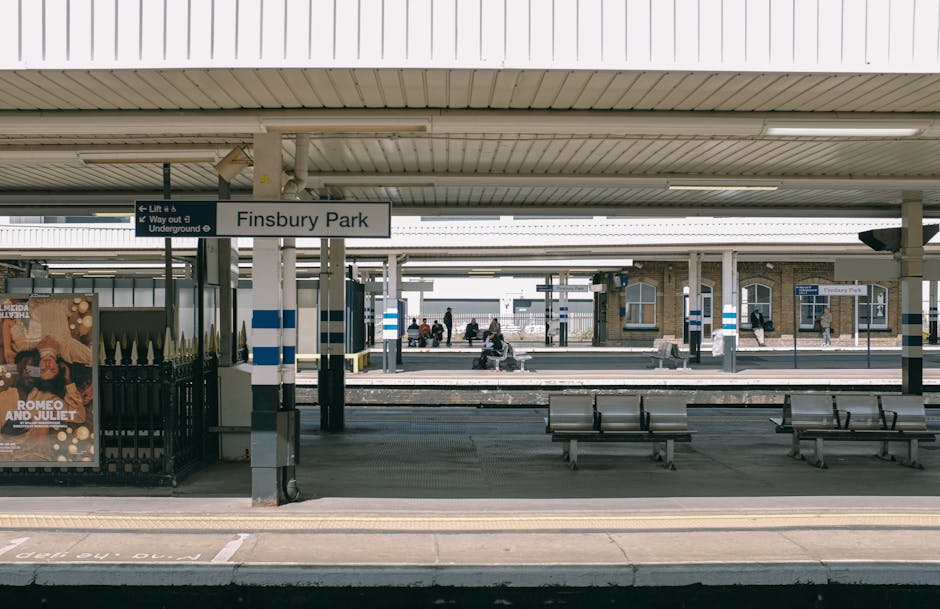
Pentonville Road removals access and parking tips Finsbury
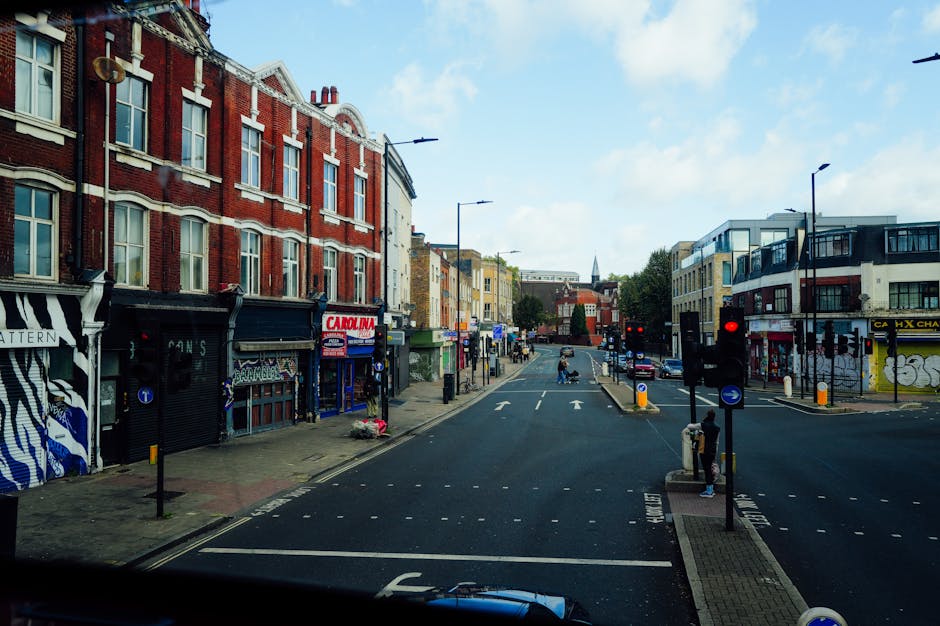
If you are planning a move near Pentonville Road, you already know the tricky bit is rarely the lifting. It is the access. It is the parking. It is the small stuff that turns a simple move into a slow, frustrating one if you do not plan it properly. This guide to Pentonville Road removals access and parking tips Finsbury is here to help you avoid the usual headaches: blocked bays, tight turning space, lift delays, and that awkward moment when the van is "almost there" but not actually close enough.
Truth be told, moving in this part of London is often more about timing and positioning than brute force. A well-prepared move saves time, reduces stress, and lowers the risk of damage to your belongings, your building, and your day. Below, you will find practical advice, real-world moving insights, and local thinking that can help you plan with a bit more confidence. Not perfect certainty - let's face it, London rarely offers that - but a far better chance of a smooth day.
Why Pentonville Road removals access and parking tips Finsbury Matters
Pentonville Road sits in a busy part of London where traffic, delivery activity, bus routes, and general day-to-day movement can all stack up at once. For removals, that matters a lot. A van that cannot stop close to the property adds extra carrying distance, extra time, and extra risk. Even a short walk with a heavy box becomes a nuisance when it has to be repeated twenty times. And a van that is parked awkwardly? That can create tension with neighbours, passers-by, and the driver behind you in a hurry.
In Finsbury, the local environment often shapes the move more than the move shapes the environment. Narrow roads, limited stopping space, controlled parking, loading restrictions, and building access rules can all affect the outcome. The better you understand those constraints, the easier it is to plan around them instead of reacting on the day.
There is also a simple commercial reason. Efficient access lowers labour time and reduces the chance of avoidable delays. If you are comparing quotes, it helps to know whether the mover has actually considered the street conditions rather than just pencilling in a standard schedule. In our experience, the jobs that go well are the ones where access is discussed early and honestly.
Small detail, big difference: a van parked 30 metres closer can make the whole move feel calmer. Odd, but true.
How Pentonville Road removals access and parking tips Finsbury Works
The basic idea is simple: you want the moving vehicle as close as safely and legally possible to the entrance, with enough space for loading, unloading, and turning without causing disruption. The "how" depends on the type of property, the time of day, and the parking controls in place.
A typical removals plan for this area usually involves a few moving parts:
- checking whether the property is on a red route, loading bay, permit street, or unrestricted stretch
- identifying where the van can wait if the front of the building is occupied
- allowing for stair access, lift access, and hallway width
- coordinating arrival so the crew is not standing around burning the clock
- making sure neighbours, concierge teams, or building managers know what is happening
The process is not glamorous. It is mostly practical judgement. For example, if the building has an internal lift but loading is awkward, it may still be better to use a smaller vehicle that can stop closer to the door instead of a larger truck that sits further away. If there is a parking suspension nearby, a removal company may need to plan earlier arrival or alternative stopping arrangements. And if the road feels busy at school-run or commuting time, a different slot may be smarter. Simple enough, but people miss it all the time.
For anyone arranging a bigger move, this is also the point where a more complete service package can help. If packing, dismantling, and transport all happen in one flow, the team can keep the van turnaround tighter. That is especially useful when comparing removals options or looking at broader removal services that can adapt to local parking constraints.
Key Benefits and Practical Advantages
Good access planning is not just about convenience. It affects pace, cost, safety, and the overall mood of the move. And yes, mood matters. A calmer move usually produces fewer mistakes.
1. Less carrying, less fatigue
The closer the van can get, the fewer steps each item has to travel. That reduces physical strain and the chance of dropped items, scraped walls, or tired mistakes by the end of the day. Anyone who has carried a wardrobe up a London pavement in drizzle will understand this one immediately.
2. Faster loading and unloading
Parking close by lets the crew keep the rhythm. Boxes move out, furniture follows, and the van is packed in a more controlled way. On a busy street, that rhythm can be the difference between a neat move and a messy one.
3. Lower risk of parking issues
If you have already thought through restrictions, stopping points, and backups, you are much less likely to end up with a penalty, a complaint, or a rushed relocation of the vehicle.
4. Better protection for your belongings
Every unnecessary handoff adds risk. Fewer carries mean fewer opportunities for scratches, scuffs, and damp packaging to become a problem.
5. More predictable costs
Access planning helps keep the job efficient. That makes pricing more transparent and reduces the chance of hidden time loss on the day. If you are still comparing numbers, it can be useful to review pricing and quotes so you understand what is usually included and what might affect the final figure.
Expert summary: on Pentonville Road and nearby Finsbury streets, removals success usually comes down to three things: where the van can stop, how long it can stay, and how far the items must be carried. Get those three right and the rest is much easier.
Who This Is For and When It Makes Sense
This guide is for anyone moving in or around Finsbury where road access is not straightforward. That includes flats, converted terraces, office spaces, and mixed-use buildings with limited front-of-property space. It is also useful if you are simply trying to understand whether your move needs a smaller vehicle, a permit, or a different time slot.
You will especially benefit from this kind of planning if you are:
- moving from a flat with no direct driveway or loading area
- dealing with a shared entrance or narrow internal stairwell
- moving an office where equipment and boxes need a more structured handover
- trying to keep a same-day move on schedule
- working around school hours, rush hour, or peak street activity
- needing a smaller vehicle because a larger truck would be impractical
It also makes sense for people who think, "It's only a short move, we'll be fine." Sometimes you are fine. Sometimes that short move still needs planning because the parking is the real problem. Funny how often that happens.
If your move is more complex, a flexible vehicle option such as a man with van service or a moving van can be easier to position than a larger lorry, especially where street space is limited.
Step-by-Step Guidance
Here is a practical way to approach your move without overcomplicating things. Not everything needs a spreadsheet, but a little order goes a long way.
Step 1: Check the street outside both addresses
Stand outside if you can, or at least study the frontage carefully. Look for parking bays, yellow lines, permit signs, loading restrictions, and any obvious pinch points. Notice whether a van could actually stop without blocking the road or sitting awkwardly in the traffic flow.
Step 2: Measure the route from van to door
It sounds basic, but it matters. Count steps, kerbs, gates, and any awkward corners. If you have heavy furniture or bulky items, even a short carry can become a slow carry. A quick visual check now saves hassle later.
Step 3: Decide what size vehicle makes sense
A bigger van is not always better. If the road is tight, a smaller vehicle may be easier to place and quicker to unload. In many Finsbury moves, practicality beats ambition. Every time.
Step 4: Build in a parking plan
Think about where the vehicle can wait if the ideal spot is taken. If needed, allow time for the driver to reposition. If your building has a concierge or managing agent, ask whether there are preferred loading arrangements. That one phone call can save a surprising amount of friction.
Step 5: Time the move carefully
Early starts can be helpful because streets are often calmer. Mid-morning can work well too, depending on local traffic. The main thing is to avoid guessing. A move timed around the wrong part of the day can create unnecessary pressure for no good reason.
Step 6: Prepare the building access
If there is a lift, make sure you know whether it is reserved, shared, or likely to be busy. If there are keys, fobs, or entry codes, have them ready before the team arrives. Small access delays are one of the easiest ways to lose momentum.
Step 7: Use the right packing and protection
Good packing helps when the walk from van to property is longer than you hoped. Secure boxes, protect corners, and keep fragile items clearly marked. If you need support, a service such as packing and unpacking services can make the whole operation more controlled.
Step 8: Keep the unloading zone clear
Before the van arrives, clear hallways and entry points as much as possible. If the street is busy, even a clean doorway makes a difference. It helps the crew move confidently and avoids that stop-start shuffle that wastes time.
Expert Tips for Better Results
These are the little things experienced movers tend to think about without making a fuss. Honestly, they are often the difference between a decent move and a day you would rather forget.
- Choose a van that matches the street, not just the load. A vehicle that is too large for the access can slow everything down.
- Keep a backup parking plan. If the closest space is gone, know the next best option before you arrive.
- Label fragile and priority items clearly. If something must come off the van first, make it obvious.
- Protect floors and door frames. Narrow entrances and older buildings deserve extra care.
- Tell the crew about awkward items in advance. Sofas, beds, large mirrors, and appliances often need a slightly different approach.
- Consider splitting load and unload times if needed. A short pause is better than forcing a bad parking position.
One small but useful habit: take a photo of the frontage before the move. It helps with planning, and if you are dealing with a tight bay or a shared access point, the image can jog your memory when you are under pressure. Simple, maybe even a bit nerdy, but very handy.
For more complex jobs, especially commercial ones, it can help to use a team used to structured site access. Commercial moves and office removals usually need tighter coordination than a standard flat move, and Pentonville Road access conditions can make that even more important.
Common Mistakes to Avoid
A lot of moving-day stress comes from avoidable assumptions. The good news is that most of them are easy to fix once you know what to watch for.
Assuming there will be space outside the property
Parking on paper and parking in real life are two different things. That empty stretch you thought would be available may already be taken by local traffic or deliveries.
Forgetting to check loading restrictions
Not every curb is fair game. On some streets, loading may be allowed only at certain times or in certain marked areas. You do not want to discover that after the van has already arrived.
Using a vehicle that is too large
Big van, big problem - sometimes. If the road is tight, an oversized vehicle can create more delays than it saves. Size should suit the street as much as the contents.
Leaving access questions until moving day
If you have not checked who holds keys, how the lift works, or where the vehicle can stop, you are relying on luck. Luck is a poor moving plan.
Ignoring building rules
Some properties have specific moving windows, lift booking requirements, or rules about protecting communal areas. Skipping these can create avoidable tension with neighbours or building staff.
Not allowing enough time for carry distances
A 10-metre gap sounds tiny until you have a mattress, a box of books, and a hallway corner to negotiate. People consistently underestimate this part.
Tools, Resources and Recommendations
You do not need a huge toolkit for a successful move, but the right few items make life much easier. A smart move is often a prepared move.
- Measuring tape: useful for doorways, hallways, and furniture dimensions
- Phone camera: handy for checking access points, parking constraints, and item condition
- Labels and marker pens: simple, but they keep the process organised
- Furniture blankets and protective wrap: useful where the route from van to property is awkward
- Boxes with consistent sizing: easier to stack and safer to carry
- Booking notes: keep key times, access instructions, and contact details in one place
If you are comparing providers, look at services that match the actual moving job rather than simply the headline price. A smaller, more agile team can be a better fit than a larger operation if access is tight. You may also want to review the company's approach to insurance and safety so you understand how items are protected in transit and while loading.
For people who are trying to reduce waste during a move, recycling and sustainability information can be genuinely useful too. Clearing out old items before moving day often makes access easier because there is simply less to carry. A lighter move, more room on the van. It all stacks up.
Law, Compliance, Standards, or Best Practice
When a move involves public roads, loading areas, or controlled parking, it is wise to follow local restrictions carefully. That includes any street signs, marked bays, suspension notices, building rules, and instructions from site managers or parking authorities. This article is not legal advice, and details can change, so always check the relevant requirements before you rely on a parking plan.
From a practical best-practice perspective, a good removals plan in Finsbury should respect three things:
- Public safety: the vehicle should not create unnecessary obstruction or risk
- Property protection: entrances, walls, floors, and communal spaces should be protected where needed
- Operational clarity: everyone involved should know where the vehicle is going, when it arrives, and how access works
Reputable movers normally build these points into the job from the start. If you want a sense of how a company approaches professional standards, review its health and safety policy, terms and conditions, and other trust pages such as about us. That does not solve access on its own, of course, but it tells you a lot about how seriously the operator treats the job.
If parking is the thing most likely to derail your move, it is also sensible to ask about the company's vehicle type, waiting arrangements, and whether they are used to London loading conditions. A move handled with care tends to feel a lot less frantic, which is no bad thing.
Options, Methods, or Comparison Table
Different move types call for different access strategies. The right choice depends on distance from vehicle to property, item volume, and how busy the road is.
| Approach | Best for | Pros | Trade-offs |
|---|---|---|---|
| Smaller van close to the entrance | Flats, short carries, tight streets | Easier parking, quicker loading, less walking | May require more careful loading and possibly multiple trips |
| Larger van with longer carry distance | Bigger moves where parking is still workable | Can hold more items in one journey | Harder to position, more demanding on access and timing |
| Staged move with scheduled loading window | Busy roads, buildings with rules, office relocations | More control, better coordination, reduced chaos | Needs planning and cooperation from building contacts |
| Part-load or man and van style move | Smaller homes, urgent moves, awkward access | Flexible, often easier to position, suitable for local moves | May be less efficient for large household contents |
If you are not sure which option fits, start with the street, not the inventory. That sounds backwards to some people, but in access-sensitive areas it is often the smartest way to plan.
Case Study or Real-World Example
Here is a realistic example based on the kind of move people often face near Pentonville Road. A couple in a first-floor flat had a fairly standard household move: sofa, bed frame, boxes, kitchen items, and a few awkward pieces they had ignored until the last week, naturally. Their original plan was to use a larger van and park right outside. On paper, it looked fine.
Then they checked the street properly. Parking was tighter than expected, and the closest suitable stop point would have meant a longer carry across a busier stretch of pavement. They switched to a smaller vehicle, booked an earlier slot, and gave the team clear access instructions for the lift and entrance. They also packed fragile items separately so the first load could go out quickly.
The result was not magical. No fairy dust. But it was noticeably smoother. The crew spent less time repositioning, the flat was cleared faster, and the move felt under control. That is usually what people want, even if they do not say it out loud. Not perfect, just controlled.
For this type of situation, local planning matters more than size of inventory. A move may be simple overall, but if the parking is awkward, the whole day can still feel complicated unless you prepare early.
Practical Checklist
Use this as a quick pre-move check. A few minutes here can save a lot of hassle later.
- Confirm the exact property entrance and any alternate access point
- Check parking restrictions, loading bays, and nearby suspensions
- Decide whether a smaller vehicle would be easier to position
- Measure any tight doors, stair turns, or lift openings
- Tell the mover about awkward furniture or heavy appliances
- Make sure keys, fobs, codes, and contacts are ready
- Protect communal areas and floors if needed
- Prepare boxes so priority items are easy to unload first
- Keep a backup parking option in mind
- Share timing expectations with anyone involved in the building
Quick reminder: if access looks uncertain, it probably deserves one more check. That second check often pays for itself.
Get a free quote today and see how much you can save.
Conclusion
Planning Pentonville Road removals access and parking tips Finsbury is mostly about being realistic, staying flexible, and respecting the street you are moving on. If the van can stop well, the carry is manageable, and the timing is sensible, your move immediately becomes easier. If any one of those pieces is weak, the day gets heavier than it needs to be.
The good news is that you do not need to guess your way through it. A careful look at access, a sensible vehicle choice, and a bit of coordination with the mover can turn a potentially awkward London move into something much more straightforward. That is the aim, really. Less stress, fewer surprises, and a move that feels handled rather than battled through.
And when the last box comes off the van and the street noise fades a little, you will be glad you took the time to get the details right. Small planning wins matter. They really do.
Frequently Asked Questions
What makes Pentonville Road removals access tricky in Finsbury?
The main challenges are traffic, limited stopping space, parking controls, and the difference between a van that is "nearby" and one that is actually close enough to load efficiently. In busy London streets, that difference matters a lot.
Should I book a smaller van for a move near Pentonville Road?
Often, yes, if the road is tight or parking is awkward. A smaller van can be much easier to position and may reduce the distance items need to be carried. It is not always the answer, but it is worth considering.
Do I need to arrange parking before moving day?
If you can, absolutely. Sorting parking in advance gives you more control and reduces the chance of delays. Even if formal permission is not needed, having a clear plan helps.
What should I check outside the property before the move?
Look for parking signs, loading restrictions, curb space, yellow lines, nearby obstructions, and any building-specific access rules. Also check whether the entrance is shared or likely to be busy at your planned time.
Is morning or afternoon better for a removals job in Finsbury?
That depends on the street and the type of property, but earlier times are often easier because roads are calmer. The best slot is usually the one that avoids peak pressure and gives you enough buffer for access issues.
What happens if the van cannot park right outside?
The crew may need to park a little further away and carry items in, which can add time and effort. That is manageable if expected, but it should be built into your plan rather than discovered mid-move.
How do I know if my building has special move rules?
Check with the managing agent, concierge, landlord, or building contact. Many flats and managed buildings have rules about lift booking, moving hours, or protection of communal areas.
Are man and van services suitable for this area?
They often are, especially for smaller moves or awkward streets where a larger vehicle would be harder to place. A flexible service can be a strong fit for local Finsbury moves.
What should I do if I have large furniture and limited access?
Measure carefully, warn the mover in advance, and be realistic about the route. In some cases, furniture may need partial dismantling or extra protection to move safely through tight spaces.
How can I reduce moving-day stress with parking restrictions nearby?
Plan the stop point, keep a backup option, communicate with the mover early, and avoid leaving the access question until the day itself. A calm, simple plan is usually better than a perfect plan that nobody can actually use.
Do I need to worry about insurance when parking is difficult?
Yes, it is worth checking. Difficult access can increase handling risks, so it helps to understand how the mover protects items and what cover may apply. That peace of mind is not just paperwork; it matters.
What is the best last-minute tip for a move near Pentonville Road?
Make the route from van to door as clean and clear as possible, and keep the driver updated if parking conditions change. Small adjustments on the day can still save the move from turning messy.