Moving from Canonbury Terrace: narrow-street tips for a smoother, safer move
Moving house is never just about boxes and tape. If you're moving from Canonbury Terrace, narrow-street tips matter because the road layout, parked cars, tight turns, and awkward loading space can turn a straightforward removal into a bit of a puzzle. That's especially true in Islington, where many streets are busy, residential, and less forgiving for larger vehicles. The good news? With the right plan, you can keep the move calm, efficient, and far less stressful than it first looks.
This guide walks through what actually helps on a narrow street: how to choose the right vehicle, how to prepare your belongings, how to reduce carrying distance, and how to avoid the mistakes that make moving day drag on. If you want the practical version, not the glossy brochure version, you're in the right place.
Expert summary: On a street like Canonbury Terrace, the winning move is simple: reduce volume, improve access, plan parking early, and keep loading as close to the property as possible. Everything else supports those four things.
Table of Contents
- Why narrow-street planning matters
- How a Canonbury Terrace move works in practice
- Key benefits and practical advantages
- Who this is for and when it makes sense
- Step-by-step guidance
- Expert tips for better results
- Common mistakes to avoid
- Tools, resources and recommendations
- Law, compliance and best practice
- Options and comparison table
- Case study or real-world example
- Practical checklist
- Conclusion
- Frequently asked questions
Why Moving from Canonbury Terrace: narrow-street tips Matters
On narrow London streets, the move is usually won or lost before the van even arrives. That sounds dramatic, but it's true. If the vehicle can't get close enough, every box becomes a longer carry. Longer carries mean more time, more fatigue, and more chances to bump a wall, scratch a floor, or block traffic while you're shuttling items back and forth.
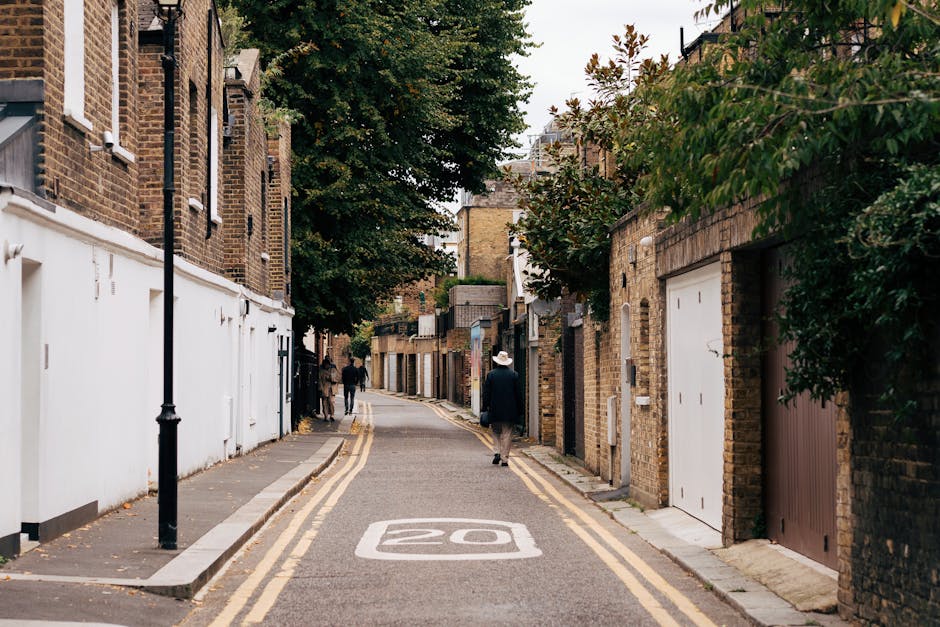
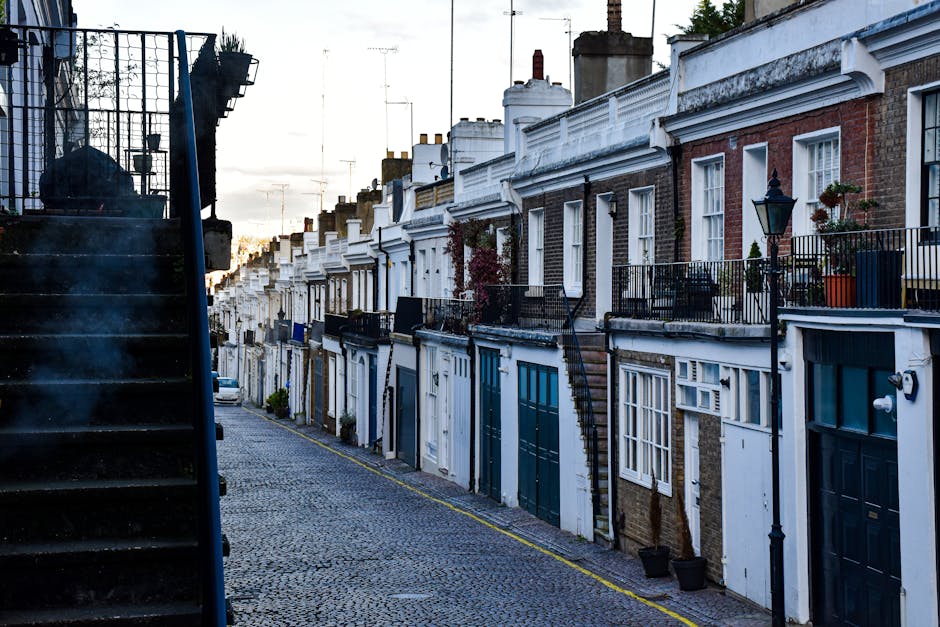
Canonbury Terrace has the kind of urban conditions that reward planning: limited kerb space, occasional congestion, and the usual local reality of residents, delivery drivers, and people trying to squeeze past at the same time. If you arrive unprepared, you can end up improvising on the pavement, which is never ideal. A little preparation makes a surprisingly big difference.
There's also a safety angle. Tight streets can encourage rushed lifting, twisting, and awkward manoeuvres. That's where the common "we'll just manage" approach starts to go wrong. To be fair, most moving mishaps aren't dramatic; they're small, boring, preventable mistakes. A scratched bannister. A dropped box of crockery. A sofa wedged in the wrong angle for five frustrating minutes. None of it is fun.
If you're trying to keep the move efficient, these narrow-street tips aren't optional extras. They are the plan.
How Moving from Canonbury Terrace: narrow-street tips Works
The basic principle is straightforward: make the route from your front door to the van as short, clear, and controlled as possible. On a narrow street, that means thinking in layers.
First comes access. Can the van stop nearby without blocking the road or sitting too far away? Second comes load order. Which items should go on first so the van space is used well and fragile pieces stay protected? Third comes handling. Who is carrying what, and how will you move bulky furniture through hallways, doorways, and corners without a clumsy shuffle? The move works best when these three parts line up.
It also helps to remember that a narrow street move is not the same as a standard house move. The limiting factor is usually space, not strength. That's why services like man and van support in Finsbury can be useful: smaller, more flexible vehicles often suit tight streets better than a large removal lorry. In a compact area, flexibility is often the quiet hero.
If your move includes large furniture, specialised handling may matter too. A piano, for example, needs proper planning and the right technique; it is not just a heavy box with keys on top. For bigger or more awkward items, see piano removals in Finsbury and related guidance on safe handling. The same idea applies to sofas, beds, and oversized wardrobes.
Key Benefits and Practical Advantages
When you plan a narrow-street move properly, the benefits are practical and immediate. You notice them on the day, not just on paper.
- Shorter carrying distance: less time between property and van, which means fewer delays and lower fatigue.
- Lower damage risk: fewer tight turns and less hurried lifting usually means fewer scratches and dents.
- Better vehicle choice: a smaller van or a well-timed arrival can be far more effective than forcing a larger vehicle into a poor position.
- Less stress for everyone: when the route is clear, people can focus on the job rather than dodging obstacles.
- Improved timing: efficient loading and unloading often reduce the total move window.
There's also a financial benefit, even if it's indirect. Efficient access can mean fewer labour hours and less risk of needing a second trip. If you're comparing options, it's worth checking pricing and quotes early so you can choose a service level that matches the street conditions, not just the volume of items.
And here's a small thing people sometimes miss: narrow-street planning can protect neighbour relations. No one enjoys a van parked across a driveway or a door stop wedged open in a shared hallway. Good planning is respectful planning. It makes the whole move feel more civilised, which, in London, is saying something.
Who This Is For and When It Makes Sense
This guide is useful if you're moving from a flat, maisonette, or house on or near Canonbury Terrace and the street access is tight. It's especially relevant if:
- your home is in a terrace, conversion, or upper-floor flat with limited front access;
- you expect a van to load on-street rather than from a private driveway;
- you have large furniture, fragile items, or awkward stairways;
- you're moving at a busy time of day, when parking is more competitive;
- you want to keep disruption to neighbours and traffic to a minimum;
- you need the move done quickly, perhaps on a same-day basis.
It also makes sense for students and sharers who are moving out of a compact property, because narrow streets often combine with lots of smaller items: boxes, bags, lamps, monitors, and the odd chair from a student desk setup. If that sounds familiar, the student removals service in Finsbury can be a practical fit.
If you are moving a whole house, not just a flat, the same logic still applies. The difference is scale. For larger moves, the planning becomes even more important, and a broader house removals service may be the better starting point.
Step-by-Step Guidance
Below is a practical, field-tested way to approach a narrow-street move without overcomplicating it.
1. Measure the awkward bits before moving day
Measure door widths, stair turns, bannisters, and anything that looks like it might become a problem. If you have a sofa, mattress, or tall cabinet, check the dimensions against the tightest point in the route out of the property. It takes five minutes and can save a lot of guesswork later. Honestly, it's one of those boring jobs that pays back immediately.
2. Decide whether a smaller van makes more sense
On a narrow street, vehicle size matters as much as capacity. A smaller van may be easier to position and quicker to load, especially if parking is limited. If you're unsure, consider discussing the layout with a provider that offers a removal van in Finsbury and ask what size best suits your access.
3. Declutter before you pack
The less you move, the easier the move. Simple enough, but people still hold onto too much. Start with obvious duplicates, damaged items, and things you haven't used in a year. If you want a stronger approach, read how to declutter first for a minimalist move. A lighter load often translates into a cleaner, faster exit.
4. Pack for carryability, not just storage
Boxes should be easy to lift, stack, and pass through doorways. Heavy items need to go into smaller boxes rather than oversized ones. Label each box with the room and whether it is fragile. For practical packing structure, this guide to packing for a house move is a solid companion read.
5. Create a loading lane if you can
Even if you can't reserve kerb space formally, you can still reduce chaos by keeping the front path clear, moving loose items indoors, and deciding where boxes will be staged before they reach the van. The aim is simple: one clean flow from house to vehicle.
6. Load the van in a smart sequence
Begin with the heaviest and sturdiest items, then build around them. Sofas, wardrobes, and appliances usually create the base structure. Fragile pieces, lamps, mirrors, and loose bags come later. If you're moving a sofa, you may find sofa protection and storage advice useful, because the same padding and wrapping ideas help in transit too.
7. Protect the property on both ends
Use coverings for floors, corners, and bannisters where needed. In older terraces, little chips and scuffs happen fast. A towel taped carefully in the right place can save a lot of annoyance later. Not elegant, maybe, but effective.
8. Keep breakables and essentials separate
Have a clearly marked essentials bag with keys, chargers, medication, documents, and a change of clothes. Keep valuables and important paperwork with you rather than in the van. It's a small detail that makes the first evening in the new place much easier.
9. Review the final clean and handover
Once the van is loaded, do a final sweep for cupboards, loft spaces, and sockets. A proper end-of-tenancy clean or final clean is often worth the effort. For help with that stage, see moving-out cleaning methods.
Expert Tips for Better Results
Here are the small adjustments that often make the biggest difference.
- Book the move for a quieter window: early morning can be easier on a busy residential street, though every area has its own rhythm.
- Use people, not panic: a calm, coordinated team moves faster than a rushed one. Sounds obvious, yet it's frequently overlooked.
- Disassemble furniture in advance: beds, table legs, and modular shelving are much easier to handle in pieces. If you're moving a bed base or mattress, this bed and mattress moving guide is worth a look.
- Protect corners first: walls and door frames are often more vulnerable than the items being moved.
- Use proper lifting technique: bend at the knees, keep loads close, and avoid twisting under weight. If you want the plain-English version of safe lifting, see the principles of kinetic lifting.
- Ask for specialist help for unusual items: pianos, large freezers, and awkward antique pieces are best handled with the right experience and equipment.
One practical tip that sounds almost too simple: keep the doorway clear. A cluttered hallway turns a manageable job into a mini obstacle course. We've all seen it happen. It never helps.
If your move is likely to involve storage between addresses, or if access delays mean you need a short-term holding solution, it may also be worth reviewing storage options in Finsbury. That flexibility can take a surprising amount of pressure off the day itself.
Common Mistakes to Avoid
Most moving problems on narrow streets come from avoidable habits. The good news is that you can sidestep them with a little discipline.
- Using the wrong van size: too large and you may struggle to park; too small and you risk extra trips.
- Overfilling boxes: heavy boxes are harder to carry through tight spaces and more likely to split.
- Assuming parking will "sort itself out": it rarely does.
- Leaving loose items until the last minute: coat hangers, small kitchen items, and cables create clutter fast.
- Ignoring stair and hallway measurements: a sofa can look fine in the room and still fail at the turn.
- Not checking building access rules: flats and shared properties often have practical restrictions on loading, lift use, or entry times.
- Rushing because the street feels busy: haste makes damage more likely, and nobody wants that.
If you're moving valuable or bulky household pieces, it's usually worth using a professional team rather than trying to wrestle everything yourself. A lot of people start with good intentions and then, halfway down a stairwell, decide maybe not. Sensible decision, really.
For broader moving support, the main removals service in Finsbury and the wider removal services overview can help you match the method to the property.
Tools, Resources and Recommendations
Moving from a narrow street is much easier when you have the right kit. You do not need a warehouse of equipment, just the essentials.
| Tool or resource | Why it helps | Best used for |
|---|---|---|
| Furniture blankets | Protects items and doorframes from scuffs and impact | Sofas, tables, mirrors, appliances |
| Ratchet straps or tie-downs | Keeps items stable during transport | Stacked furniture and heavier loads |
| Trolley or sack truck | Reduces manual carrying on longer carries | Boxes, white goods, stacked items |
| Corner guards and floor covers | Protects the property during tight manoeuvres | Hallways, door frames, stair edges |
| Strong packing tape and labels | Keeps the load organised and identifiable | All boxes, especially fragile ones |
For supplies, a dedicated packing and boxes service can save time if you are short on materials or prefer one-stop preparation. If you are moving a freezer or fridge, read up on appliance prep first. The article on preserving a freezer when unplugged is especially useful if your move will involve a gap between power-off and reinstallation.
And if you want a more general sense of what the service journey looks like, the services overview is a sensible place to start before requesting a quote.
Law, Compliance, Standards, or Best Practice
For most home moves, the main compliance questions are practical rather than legal drama. Still, a few best-practice points matter on narrow streets in London.
Parking and loading: always check local restrictions before the move. Streets like Canonbury Terrace may have permit controls, yellow lines, timed bays, or access rules that affect stopping and loading. If you are unsure, confirm with the relevant local authority rather than assuming it's fine. It saves awkwardness later.
Health and safety: the people moving the items should use proper lifting technique and sensible protective equipment where needed. This is not about being precious; it's about avoiding avoidable strain and injury. If you want to understand how a provider approaches that side of the work, review the health and safety policy and insurance and safety information.
Access and neighbouring properties: keep pathways clear and avoid blocking private entrances. On a narrow terrace street, a few minutes of considerate positioning can prevent a complaint or a delay.
Consumer confidence: before booking, it is sensible to review terms, pricing structure, and payment methods. If you need reassurance on that side, see payment and security, terms and conditions, and the complaints procedure. Clear information upfront tends to make everything feel calmer.
Accessibility: if anyone in the household has mobility concerns or if access is limited by stairs or tight turning spaces, it is sensible to discuss that in advance. The provider's accessibility statement can give you a clearer sense of how they approach inclusive service.
Options, Methods, or Comparison Table
There is no single best way to move from a narrow street. The right option depends on property size, item volume, urgency, and access. Here's a simple comparison to help you think it through.
| Method | Best for | Advantages | Trade-offs |
|---|---|---|---|
| Small van with manual loading | Flats, smaller homes, tight streets | Easier to park, more flexible access, often quicker on narrow roads | May require more careful stacking or a second run if the load is large |
| Standard removal van | Medium-sized home moves with reasonable access | Good capacity, efficient for mixed loads | Can be awkward on very tight streets if parking is limited |
| Dedicated flat move service | Upper-floor apartments and compact properties | Designed for stairs, access problems, and urban loading challenges | May not be necessary for simple, low-volume moves |
| Same-day removals | Urgent or last-minute moves | Fast response, useful when timing changes unexpectedly | Less room for detailed planning, so access details must be accurate |
| Storage-first move | When dates don't align or access is complicated | Reduces pressure, helpful for phased moves | Involves extra handling and an additional step |
If you are moving out of a flat with difficult stairs or limited communal access, the flat removals service is often more relevant than a general house move. If the move is urgent, same-day removals in Finsbury may also be worth considering, provided the access details are accurate from the outset.
Case Study or Real-World Example
Picture a typical move from a first-floor flat on or near Canonbury Terrace. The resident has a sofa, a double bed, a few book boxes, kitchen items, and a freezer that needs careful handling. The street is narrow, so a large van would sit awkwardly and block more of the road than anyone wants.
In a sensible version of this move, the packing starts a few days earlier. Books are split into smaller boxes, fragile kitchenware is wrapped properly, and the sofa is protected with blankets so it can be carried without scraping the walls. The bed is disassembled. The freezer is emptied and prepared ahead of time. Nothing fancy, just orderly.
On the day, the smaller van arrives at an agreed time, close enough for a clean loading line. One person stages items at the doorway while another moves them carefully to the vehicle. The bigger pieces go in first. The boxes follow. There's no awkward last-minute hunt for tape, no argument about which room a box came from, and no pile of loose items left behind in the hallway.
What makes the difference? Not brute force. Planning. That's the bit people underestimate.
If the same move had included a piano, the plan would need an extra layer of care and specialist handling. That's where the skills needed to move a piano becomes relevant. For awkward heavy lifting in general, the article on safe solo lifting techniques is also useful background, though in practice a team is often the smarter choice.
Practical Checklist
Use this as a simple final check before moving day. Keep it on paper, your phone, or stuck to the fridge. Whatever works.
- Confirm the moving date and arrival window.
- Check whether parking or loading space will be available near Canonbury Terrace.
- Measure doorways, stair turns, and any narrow internal spaces.
- Decide whether a smaller van or specialist flat move service is more suitable.
- Declutter unnecessary items before packing.
- Pack fragile items securely and label them clearly.
- Disassemble bulky furniture where possible.
- Prepare floor coverings, blankets, and tape for protection.
- Keep essentials, documents, and valuables with you.
- Ensure the route from door to van is clear of clutter.
- Check appliance prep, especially for fridges and freezers.
- Do a final sweep of cupboards, loft spaces, and under-bed storage.
- Review quote, payment details, and any terms before the job starts.
If you want to build out the move even further, a good next step is to read the company's main removal companies page and compare it with the specific services you need. Sometimes that clarity is all it takes.
Conclusion
Moving from Canonbury Terrace does not need to be a battle with the street. Once you accept that the access is the main challenge, the rest becomes much more manageable. Choose the right vehicle, pack with the route in mind, protect the property, and keep the flow as simple as possible. That's really the heart of it.
Small streets reward small smart decisions. A bit of decluttering here, a bit of measuring there, a calm loading sequence, and suddenly the move feels less like a scramble and more like a process. Not perfect, maybe, but controlled. And controlled is good.
If you're planning a move and want help choosing the right approach for a narrow London street, it's worth speaking to a team that understands local access challenges and can tailor the job properly.
Get a free quote today and see how much you can save.
And when the last box is in, take a moment before you lock the door. That quiet little pause, with the street noise behind you and the next place ahead, is part of the move too.
Frequently Asked Questions
What is the biggest challenge when moving from Canonbury Terrace?
The main challenge is usually access. Narrow streets, limited parking, and tight carrying space can slow the move if the van cannot stop close to the property.
Should I choose a small van for a narrow street move?
Often, yes. A smaller van is usually easier to position on a tight residential road and can reduce disruption. The best choice depends on how much you're moving and whether the street has practical loading space.
How far in advance should I plan parking or loading space?
As early as possible. Even if formal parking arrangements are not needed, you should still check local restrictions and think through where the van can safely stop without blocking access.
Is a man and van service suitable for Canonbury Terrace?
Yes, it can be a very sensible option for a narrow street because the vehicle is typically more flexible than a larger removal truck. It's especially useful for smaller flat moves or mixed household loads.
What should I do with bulky furniture like sofas and beds?
Disassemble what you can, protect edges, and make sure the route out of the property is measured. Sofas and beds often cause the most trouble at doorways and stair turns, not in the van itself.
Do I need specialist help for a piano?
Usually, yes. Pianos are heavy, awkward, and sensitive to poor handling. They need proper lifting technique, planning, and appropriate equipment, not just extra muscle.
How can I make moving day less stressful on a narrow street?
Pack early, declutter first, label boxes clearly, and keep the path to the van as clear as possible. A calm, staged loading process tends to reduce stress more than anything else.
What if my flat is on an upper floor with difficult stairs?
That's where a flat removals service can help. Upper-floor properties often need a bit more coordination, and stairs can affect how items are moved and what vehicle makes sense.
Can I use same-day removals if my plans change suddenly?
Yes, if the service has availability. Same-day moves can work well, but it helps if you can give accurate information about access, item volume, and any awkward furniture.
What if I need storage between leaving and moving in?
Short-term storage can be very helpful when dates do not line up or access is limited. It gives you breathing room and can make a complicated move feel much more manageable.
Are there safety issues I should think about on a narrow street?
Yes. Safe lifting, careful route planning, and protection for walls and floors all matter. Narrow streets can make people rush, and rushing is where minor injuries or property damage often happen.
How do I know whether to book a flat move or a full house removal?
It depends on the property type, amount of furniture, and access conditions. A compact flat with tight stairs usually suits a flat removal service, while a larger property may need broader house removals support.
What if I'm moving only a few items from Canonbury Terrace?
Even small moves benefit from good planning on a narrow street. A few items can still be awkward if parking is difficult or if the carrying route is tight.
Where should I start if I'm still unsure what I need?
Start with the services overview, then compare quotes and ask about vehicle size, access planning, and any special items. That usually gives you the clearest next step without guesswork.