Angel removals in Finsbury road closures and timing
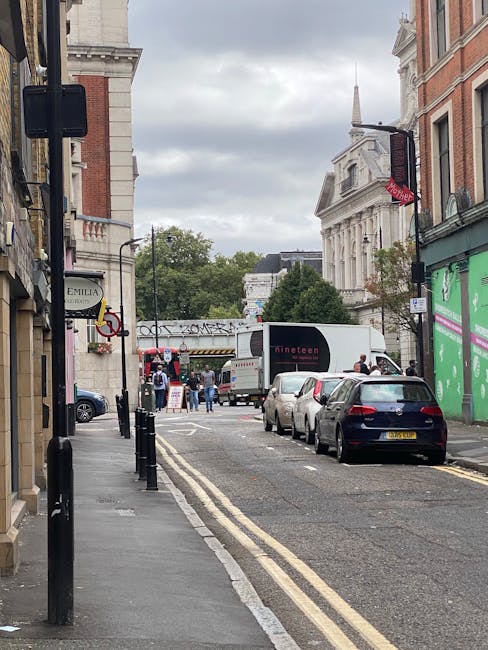
If you are planning Angel removals in Finsbury road closures and timing can make the difference between a smooth move and a day full of awkward delays, stressed phone calls, and a van sitting nowhere useful. In this part of North London, small access issues can snowball quickly: a short closure, a loading restriction, or a badly timed arrival can affect the whole schedule. The good news? With the right planning, you can work around most of it without drama.
This guide explains how road closures affect moving day, why timing matters so much in and around Finsbury, and what to do before the van arrives. It also covers practical checklists, common mistakes, and sensible best practice for home and office moves alike. If you want a more confident move, you are in the right place.
- Why Angel removals in Finsbury road closures and timing matters
- How it works
- Key benefits and practical advantages
- Who this is for and when it makes sense
- Step-by-step guidance
- Expert tips for better results
- Common mistakes to avoid
- Tools, resources and recommendations
- Law, compliance, standards, and best practice
- Options, methods, or comparison table
- Case study or real-world example
- Practical checklist
- Conclusion
- Frequently asked questions
Why Angel removals in Finsbury road closures and timing Matters
Moving in Angel or nearby Finsbury is rarely just about carrying boxes from A to B. It is about access, timing, and keeping the whole chain of events aligned. A road closure on the route, a narrow street that only allows brief loading, or a timing clash with local traffic can all add unexpected pressure.
That matters for a few simple reasons. First, removal vehicles need space. Second, many Finsbury streets are busy at the best of times, especially around school runs, office hours, and the late-afternoon commute. Third, if you are moving into a flat, mansion block, or small office, the building may also have a limited booking window for lifts, loading bays, or porter assistance. It all stacks up.
To be fair, this is where people often underestimate a move. They assume a van can just pull up, load quickly, and go. Sometimes yes, but often not. A delayed arrival because a junction is temporarily restricted can push everything back, and once one part slips, the rest of the day starts to feel a bit ragged. No one needs that on moving day.
If you are comparing moving options, it helps to understand the practical difference between a straightforward van job and a more managed service like man and van removals or broader removals. In a compact urban area, planning is often as valuable as muscle.
How Angel removals in Finsbury road closures and timing Works
At a practical level, the process is about matching three things: your access needs, the route conditions, and the moving schedule. If those three line up, the day tends to feel easier. If they do not, you spend more time waiting than moving.
In simple terms, a mover will usually look at:
- the pickup and delivery postcodes
- whether the vehicle can legally stop close to the property
- known access constraints such as one-way streets or suspended bays
- time-sensitive roadworks, closures, or event-related restrictions
- how long loading and unloading will realistically take
Timing is not only about clock time. It is about traffic rhythm. In North London, an 8:00 a.m. start and a 10:00 a.m. start can feel like two different cities. The road may look fine from the pavement, but if the vehicle arrives at the wrong moment, you can get caught behind delivery traffic, commuter flow, or a temporary closure that was easy to miss when planning at home with a mug of tea.
For household moves, services such as house removals, house movers, or home moves can be especially useful when the route requires extra coordination. For office or commercial relocations, the challenge is often sharper because staff, equipment, and building access windows all have to fit together. That is where commercial moves and office removals become more than a simple transport job.
A sensible mover will ask questions that look almost annoyingly detailed at first. They are worth answering properly. Where exactly can the van stop? Is there a loading bay? Are there time restrictions? Is there a lift? How many stairs? Any road closure notices, even temporary ones? These details are not small. They decide the whole pace of the day.
Key Benefits and Practical Advantages
When the route, timing, and access plan are right, you feel the benefits almost immediately. Less waiting. Less carrying distance. Less chance of damage. Fewer surprises. The move just has more breathing room.
Here are the main advantages of planning around closures and timing properly:
- Reduced delay risk: You are less likely to get caught out by temporary closures or heavy traffic.
- Better parking and stopping chances: Early or carefully selected time slots often make loading easier.
- Lower physical strain: Shorter carrying distances mean less effort and less chance of bumped furniture.
- Improved building coordination: Managed timing helps if you need lift bookings or access arrangements.
- Less disruption: Neighbours, staff, and building managers usually appreciate a move that is tidy and contained.
There is also a hidden benefit people do not always think about: confidence. When you know the route has been checked and the timing makes sense, you are calmer. That sounds soft, but it matters. Calm moves are usually better moves.
If your job involves heavy items, narrow hallways, or fragile possessions, a reliable removal company or experienced movers can reduce the risk of rushed handling. And if you only need a smaller-scale, flexible vehicle, a man with van arrangement may be a better fit than hiring something bigger than the job needs. No point sending a moving truck to do a bicycle's work, right?
Who This Is For and When It Makes Sense
This topic matters most if your move touches busy streets, managed buildings, or time-controlled access. In practice, that covers a lot of people around Angel and Finsbury.
You will especially benefit from this kind of planning if you are:
- moving from a flat with limited outside space
- relocating an office in or near a dense commercial street
- dealing with narrow roads, one-way systems, or shared access
- moving on a weekday when traffic is heavier and parking is tighter
- booked into a building with a fixed move-in or move-out slot
- transporting bulky furniture that cannot be left on the pavement for long
It makes sense for landlords, tenants, business owners, and even people simply shifting a few big items. Truth be told, even a furniture pick-up can become awkward if the road outside is temporarily restricted. That is one reason some customers choose a dedicated furniture pick-up or a more general man with a van service, depending on the scale of the job.
For bigger domestic projects, options like house removalists or house movers can take more of the pressure off. For office work, structured office relocation services are often the safer route because they account for building rules, equipment, and timing windows from the start.
Step-by-Step Guidance
A good move in this area usually follows a clear sequence. You do not need to make it complicated, but you do need to be organised. Small oversights have a way of turning into large annoyances.
- Map the access first. Check where the vehicle can legally stop and how far it will be from the entrance.
- Note any closure risks. Temporary roadworks, local events, or maintenance can change the route at short notice.
- Set the best arrival window. Early starts often help, but only if the property and neighbours can accommodate them.
- Confirm building restrictions. Ask about lift bookings, porter availability, noise rules, and time limits.
- Plan the load order. Put the heaviest or most awkward items near the exit so they can go out first.
- Protect fragile items properly. Use padding, wrapping, and clear labelling so nothing gets buried under the wrong box.
- Keep a fallback plan. If the closest route is blocked, know the alternative stopping point before moving day begins.
One detail that helps more than people expect: build in a little slack. Not an hour and a half of wasted time, obviously. Just enough margin that a small delay does not force the entire schedule into panic mode. Even 20 minutes can save the day.
If you are preparing a larger home move, combining professional packing with a trusted vehicle can make a huge difference. Services such as packing and unpacking services help keep the pace steady, especially when there is a tight arrival window. And if you need a proper vehicle rather than a small van, a moving van or moving truck may be more appropriate. The right size matters.
Expert Tips for Better Results
Most of the headaches around road closures and timing can be reduced with straightforward planning. You do not need magic, just a method. A few things that consistently help:
- Choose a realistic start time. Sometimes the earliest slot is best; sometimes mid-morning avoids school traffic. It depends on the exact route.
- Get the vehicle size right. A van that is too small means extra trips; a vehicle that is too large can be awkward on tight streets.
- Share access notes clearly. Include gate codes, loading instructions, and any "do not block" details.
- Keep the essentials separate. Phones, keys, documents, medication, chargers, and a kettle if you are moving house. Yes, really. The kettle earns its keep.
- Use clear labels. If you can find the tea bags without opening six boxes, the day already feels better.
Another useful habit is to think in zones. Loading zone, route zone, and unloading zone. If each one is planned, the move feels less like a scramble and more like a series of manageable steps. That is often the difference between a stressful day and a decent one.
Where items are valuable or sensitive, check that you understand the moving company's approach to handling and protection. Their insurance and safety approach should give you confidence, not confusion. And if you are comparing providers, it is worth looking at pricing and quotes carefully so you know what is included, not just what looks cheap at first glance.
Common Mistakes to Avoid
Some mistakes are surprisingly common, and they tend to be the same ones that cause most delays. Here is the short version.
- Assuming access will be easy. In busy parts of Finsbury, access often needs to be planned, not guessed.
- Booking the wrong time slot. A slot that looks convenient on paper may clash with traffic or building restrictions.
- Leaving packing too late. If the boxes are not ready, the van sits waiting while the clock keeps moving.
- Forgetting to mention a closure. Even a short-term restriction can matter if it affects the exact route to the property.
- Overloading one person with decisions. Moving day works better when one person manages access and another manages contents.
And here is a big one: do not rely on memory alone. People are often sure they "already told the mover about the side entrance," but then it turns out the side entrance was never confirmed, or worse, it was the wrong side entrance entirely. Happens all the time. A quick written note avoids a lot of embarrassment.
If your move is more complex, choosing a dedicated removal services provider can prevent those little mistakes from turning into expensive delays. For smaller moves, a focused removals near me search often leads people to local teams who understand the streets and parking realities already.
Tools, Resources and Recommendations
You do not need fancy kit to manage a move well, but a few simple tools help more than people expect.
- Room-by-room packing labels: Keep them large and obvious.
- Phone notes or a moving checklist: Useful for access details, timings, and contact names.
- Measuring tape: Handy for checking whether furniture really will fit through the tight bit of hallway.
- Basic protection materials: Blankets, tape, wrap, and sturdy boxes.
- Time buffer: Not physical, but honestly just as useful.
For many customers, the best recommendation is to use a service that fits the real size of the move rather than the imagined size of the problem. A flat move with a few bulky pieces may suit removal van transport. A larger home move may need removal truck hire. An office relocation may call for a more structured removal company.
If sustainability matters to you, it is also sensible to ask how the mover handles reusable materials and disposal. A responsible approach to recycling and sustainability can make a move feel cleaner and less wasteful. That small detail often matters more than people realise.
Law, Compliance, Standards, or Best Practice
For a local move, the exact rules can vary depending on the street, the building, and the kind of access involved. So the safest approach is to treat compliance as part of the plan rather than something to check at the last minute.
In practice, that means:
- not blocking traffic or pedestrian routes unnecessarily
- respecting loading restrictions and time limits
- coordinating with building management where access is shared
- keeping fragile, heavy, or awkward items handled safely
- making sure any company you use has appropriate safety processes in place
Reasonable care matters. So does clarity. If you are booking a mover, check the terms and conditions, understand the booking details, and ask how delays or access issues are handled. It is not being difficult; it is being sensible.
For businesses, especially, there may also be internal requirements around office access, handover timing, and building rules. That is why an office removals plan should always include a timing buffer. If you have staff coming in and out, the whole building can feel the impact of a late van or a blocked entrance.
And yes, if you are unsure about the moving company's safety approach, ask. Good providers should be comfortable explaining how they work. If they are vague about it, that is a little warning bell.
Options, Methods, or Comparison Table
Different moves call for different approaches. The best option depends on volume, access, timing pressure, and how much help you need on the day. Here is a practical comparison.
| Option | Best for | Strengths | Watch-outs |
|---|---|---|---|
| Man and van | Small to medium moves, flexible access | Quick, practical, often easier in tight streets | May not suit very large loads or complex building rules |
| Removal van | Households with a moderate amount of furniture | Balanced capacity and manoeuvrability | Still needs decent loading access |
| Moving truck | Larger homes or bulkier inventories | More space, fewer trips | Can be trickier on narrow roads or limited parking |
| Full removal company | Busy home or office relocations | More coordination, broader support, smoother logistics | Usually needs more lead time and clearer planning |
In a place like Finsbury, the "best" option is often the one that fits the street as much as the belongings. I know that sounds obvious, but it is amazing how many moving plans ignore the street completely. The street is half the job.
Case Study or Real-World Example
Picture a small flat move from Angel to a nearby street in Finsbury. On paper, it looks easy: a few bags, a sofa, a bed frame, and some boxes. Simple enough. But the pickup road has a temporary daytime restriction because of local maintenance, and the building only allows a short loading window. So the initial "mid-morning" plan suddenly stops being ideal.
The fix is not complicated, but it has to happen early. The mover adjusts the schedule slightly, confirms the safest stopping point, and asks the client to keep fragile items ready by the door. Boxes are labelled by room. The sofa is wrapped before arrival. A small hand trolley helps with the last stretch where the van cannot sit directly outside. Nothing glamorous. Just smart.
The move still takes a few extra minutes because, well, city streets are city streets. But there is no panic, no double handling, and no expensive improvisation. Everyone finishes tired, slightly dusty, but relieved. That is the kind of result you want.
For another example, imagine an office move needing a weekend handover. Timing becomes even more important because the team may need to be out by a specific hour on Monday morning. In that setting, working with commercial moves support or office removals planning means the move is built around the schedule rather than fighting it. Much better all round.
Practical Checklist
Use this before moving day. It is short, but it catches the stuff people usually forget.
- Confirm the exact pickup and delivery addresses.
- Check for road closures, temporary restrictions, or nearby works.
- Ask where the vehicle can legally stop.
- Confirm any loading bay, lift, or access booking.
- Tell the mover about stairs, narrow halls, or awkward entry points.
- Separate fragile items and mark them clearly.
- Keep keys, documents, chargers, and essentials with you.
- Build in a little timing buffer for traffic or access delays.
- Check insurance and safety details.
- Review the booking and terms before the day arrives.
If you are moving as a couple or with colleagues, assign one person to be the access contact. Just one. Too many voices at the kerbside can slow things down more than a badly packed box, and that is saying something.
Get a free quote today and see how much you can save.
Conclusion
Angel removals in Finsbury road closures and timing is really about preparation meeting reality. The streets are busy, the access can be tight, and even a short closure can upset a neatly planned schedule. But once you treat timing and route planning as part of the move itself, everything becomes easier to manage.
The best approach is usually the simplest one: confirm the route, respect the access rules, choose the right vehicle, and leave yourself a bit of breathing space. Do that, and the move feels far less like a gamble. More like a job being handled properly, which is what everyone wants at the end of the day.
And when the last box is finally inside, and the van door shuts with that satisfying metallic clunk, you will be glad you planned it well. Small effort upfront. Big relief later. That part never really changes.
Frequently Asked Questions
What does road closures and timing mean for removals in Angel and Finsbury?
It means planning your move around temporary access issues, traffic patterns, parking restrictions, and the best time for a vehicle to stop safely near the property.
How far in advance should I plan a move if roads may be closed?
As early as possible. Even if the closure is temporary, you want time to check the route, confirm access, and adjust the moving window if needed.
Is an early morning move always better?
Not always. Early starts can help with parking and traffic, but only if the building, neighbours, and access arrangements make that practical.
What should I tell the mover before the day?
Tell them about road closures, parking limits, loading bays, stair access, lift bookings, and anything else that could affect where the van can stop.
Can a man and van service handle tight streets well?
Often yes. A smaller, more flexible vehicle can be a good fit for narrow roads and short loading distances, especially for lighter or medium-sized moves.
When is a full removal company a better choice?
When the move is larger, more complex, or more time-sensitive. Office relocations, multi-room house moves, and difficult access jobs usually benefit from more coordination.
How do I know if my vehicle is too big for the street?
If the road is narrow, parking is limited, or there are turning restrictions, a larger vehicle may cause issues. In those cases, a smaller van can be safer and quicker.
What if a road closure changes on the day of the move?
Have a fallback route and a backup stopping point in mind. Good communication with the mover is key, because last-minute changes are easier to handle when everyone knows the plan.
Do I need to worry about building access as much as the road itself?
Yes, absolutely. Lift bookings, concierge rules, stair access, and time windows can be just as important as the street outside.
How can I keep the move from running late?
Pack early, label clearly, confirm access details, and keep essential items separate. Most delays come from small things stacking up, not from one big disaster.
What is the safest way to move bulky furniture in a restricted area?
Measure the access points, protect the furniture properly, and make sure the vehicle can stop as close as legally possible. If needed, use a service that is used to furniture pick-up and tight urban access.
Should I choose the cheapest quote?
Not on price alone. Check what is included, how access issues are handled, and whether the quote reflects the actual moving conditions. The cheapest option is not always the least stressful one.